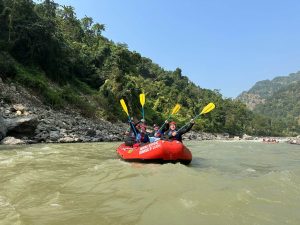
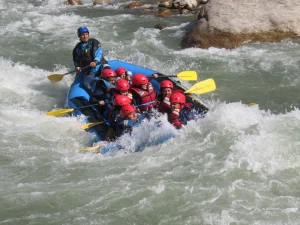
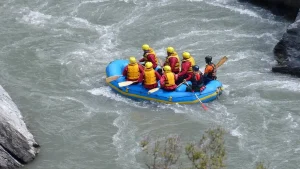
Multi River Expedition

  • Kathmandu/ Kathmandu
  • 13

Multi River Expedition Highlights

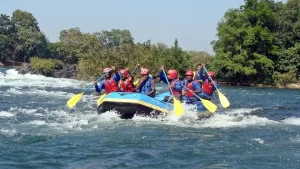
  • The trip combines Nepal’s best whitewater rafting destinations: the Balephi, Bhotekoshi, Sun Koshi, and Tamur Rivers.
  • Tackle the class III rapids while rafting at the Bhotekoshi River.
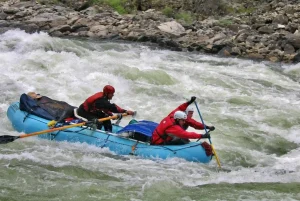
  • Battle class III and IV rapids like Harkapur Second, Dead Man Eddy, Jungle Corridor rapids, rafting down the Sun Koshi River.
  • Paddle through the continuous rapids such as Ashram, Hell Hole, and Bat Below.
  • Enjoy the scenic landscapes of rural Nepal and the white, sandy river beaches.
  • Camp at the riverside beach campsites, enjoying campfires and a serene atmosphere.
  • Interact with local communities and explore the local culture.

About the trip

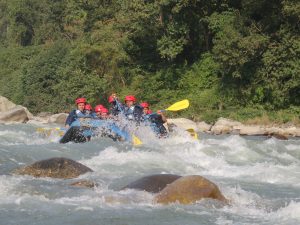
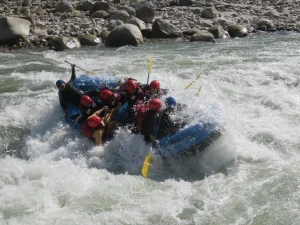
The Multi River Expedition is a 13-day kayaking and rafting journey across four of Nepal’s best white-water rivers: Bhotekoshi, Balephi, Sun Koshi, and Tamur. The expedition offers an excellent blend of thrilling rapids, cultural exploration, and breathtaking scenery. It is a perfect venture for adrenaline seekers and nature lovers in the Himalayan Rivers.

The expedition combines the best rafting destinations of the country for an epic adventure. You will start with Bhotekoshi and gradually raft on Balephi, Sun Koshi, and then to the Tamur River. You will paddle through class III, IV, and IV+ whitewater rapids. The continuous and intense waves carry you through remote wilderness, picturesque villages, and terrace farms. It is truly an adventure like nowhere else. Therefore, the Multi River Expedition is an extraordinary trip you do not want to miss.

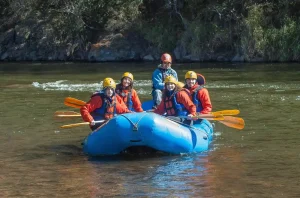
DAY TO DAY ITINERARY

Day 1: Kathmandu to Khadichour

We will start our Multi River Expedition with a scenic drive to Khadichour (796 m). The winding road follows the Arniko Highway along the Bhotekoshi River. We will get to witness the picturesque countryside of Nepal. Similarly, we will pass by green hills, rivers, and bazaars. You may also catch sight of the distant Himalayas. It takes 3 to 4 hours to drive from Kathmandu to Khadichour.

Upon reaching Khadichour, we will take on the lower Bhotekosi rafting. Today’s rafting activity is short but fast-paced and intense. We will raft through class III rapids with boulder gardens at narrow gorges. The rafting today provides a glimpse of the adventure that awaits us in the coming days. We will disembark and camp overnight at Sukute.

Day 2: Sukute to Balephi Khola and raft on Dolalghat

We will have breakfast at Sukute and drive to Balephi Khola. The road follows the Arniko Highway upstream, and we will drive along the Bhotekoshi River. En route, we will pass by small villages and terrace farms. The drive also offers scenic river and mountain views. Upon reaching Balephi Khola, we will prepare for our rafting trip.

The starting point of our rafting is Jalbire. We will flow down the steep rapids of class III+, passing by steep gorges, green hills, small villages, and suspension bridges along the way. Occasionally, we will encounter fun wave trains. We will pass Sukute and continue rafting down to Dolalghat. Finally, we will stop at Sun Koshi beach and camp here for the night.

Day 3: Dolalghat to Pachuwarghat

Another adventure awaits us today, and we will start our day after a hearty breakfast at Sun Koshi beach. The whitewater rafting is relatively calm with class III rapids. We will come across fun wave trains and splashy sections. Likewise, we may have to conquer some small boulders as we paddle down the stream. Rafting from Dolalghat to Pachuwarghat (514 m) offers gorgeous riverside scenery. We will camp at the peaceful campsite of Pachuwarghat.

Day 4: Pachuwarghat to Chainpur

Our rafting expedition on this day is another moderate excursion. After breakfast, we will gear up and begin our rafting. The currents are continuous but less intense. You will mostly paddle through class II and III rapids. It is relaxing, and we will pass by forest foothills, villages, terrace farms, and suspension bridges. We will enjoy the beautiful scenery and may encounter river life. Our adventure for the day ends at Chainpur (1324 m). We will camp and enjoy the evening campfire here for the night.

Day 5: Chainpur to Jhagare and raft Class IV rapids

After two days of moderate rafting experience, we will clash head-on with class IV whitewater rapids today. The raft journey will take us from Chainpur to Jhagare (1190 m), a part of the Sun Koshi River rafting. Flowing down the thrilling currents, we will encounter challenging rapids like Harkapur Second, Dead Man Eddy, and Jungle Corridor rapids. The scenery again is breathtakingly beautiful. Similarly, you may witness locals busy working on the farms and herds of cattle grazing by the riverside. We will disembark at Jhagare and camp at its beautiful sandy beach for the night.

Day 6: Jhagare to Raighat

Our rafting trip on this day is perhaps the most challenging one. Today, we will navigate the intense currents with renowned class V rapids like Harkapur (5-) legacy rapid. There are steep drops, big and narrow waves, and tight turns. The thrilling ride will satisfy even extreme sports enthusiasts. As you maneuver your way through the powerful waves, you will also witness gorgeous scenery. There are a few calm sections when you can catch your breath and enjoy the view. You will rest your arms after reaching Raighat and stay at the riverside campsite.

Day 7: Rest Day at Raighat

We will rest at Raighat and rejuvenate ourselves today. After the challenging rafting from Jhagare to Raighat, today’s rest day is well deserved and needed. We will explore the local villages. You will have an opportunity to meet and interact with the locals and witness their lifestyle. You can also rest and relax by the riverbanks. In the evening, we will enjoy a barbecue at our campsite.

Day 8: Raighat to Rasuwaghat

After a good rest and breakfast at Raighat, we will continue with our Multi River Expedition. Today, we will raft from Raighat to Rasuwaghat. It is a thrilling adventure, and we will battle challenging rapids of class IV+. We will battle with rapids like Dead Man Eddy, Jaws, and Rhino Rock. There are several technical sections with narrow canyons and steep drops. There are a few calm water sections, offering a relaxing paddling experience. We will call it a day after reaching Rasuwaghat (501 m) and camp there overnight.

Day 9: Rasuwaghat to Waterfall

Today, we will follow the current path from Rasuwaghat to the waterfall. It is another challenging adventure, and we will battle continuous rapids and waterfalls. There are a few technical sections, and we must navigate through narrow channels and sharp turns. Likewise, we can also encounter challenging rapids like the Jungle Corridor and Roller Coaster along the way. The river flows right through lush forests, hills, and cliffs. It is a picturesque setting, and we will camp overnight near Waterfall.

Day 10: Waterfall to Tribeni

On the tenth day of our Multi River Expedition, we will follow the river down to Tribeni. Tribeni is the meeting point of three major rivers: Arun, Sunkoshi, and Tamur Rivers. The whitewater rapids are fast-paced and intense, but not overly technical. There are sections where you will come across bouncy waves that heighten the thrill. The rapids are mostly class IV and III, such as Big Dipper and Black Hole. The Tribeni River has a religious site, and locals gather for religious rituals. You may catch sight of the locals as you reach the riverside. We will stay at the campsite at the Tribeni tonight.

Day 11: Chatara to Mulghat

We will have breakfast at our campsite in Tribeni, then raft for an hour to Sapta Koshi and then to Chatara. From Chatara, we will drive to Mulghat to reach the Tamur River, where we will raft. The whitewater rapids of the Tamur River are continuous and exciting. We will camp by the Tamur riverside tonight and enjoy the beautiful scenery and serene atmosphere.

Day 12: Mulghat to Tribeni and raft at the Tamur River

We will raft on the Tamur River to Tribeni. The current is continuous and intense, making it a challenging whitewater adventure. We will raft through continuous rapids of class IV+ such as Ashram, Hell Hole, and Bat Below. As we continue rafting forward, the river becomes broader and more powerful as the tributaries join. We will camp at the Tribeni riverside tonight.

Day 13: Tribeni to Chatara, then Kathmandu

Today is the final day of our rafting expedition. We will leave Tribeni and raft to the famous Baraha Temple. It also provides us with the opportunity to enjoy the surrounding scenery. Then, we will head towards Chatara, our final rafting destination. We will disembark in Chatara and then head back to Kathmandu. You can either take a flight or a road trip. You must drive from Chatara to Itahari and Biratnagar for a flight back to Kathmandu. To travel via roadway, you will drive from Chatara to Itahari to Bardibas and then join the BP Highway.

WHAT’s INCLUDED IN THE TRIP?

  • Professional and experienced rafting/kayaking guides
  • High-quality rafting and kayaking equipment
  • All meals during the expedition
  • Accommodation in tents during the river journey
  • Local transport arrangements
  • Min. 6, private transport will be designated.
  • Permits and entrance fees
  • First aid and safety equipment
  • Support Staff
  • Camping equipment

What’s NOT INCLUDED IN THE TRIP?

  • International airfare to/from Kathmandu
  • Domestic airfare.
  • Nepal visa fees
  • Personal travel insurance (mandatory)
  • Personal expenses (e.g., laundry, phone calls)
  • Tips for guides and support staff
  • Extra meals and accommodation outside the expedition itinerary
  • Alcoholic beverages and soft drinks
  • Hotel accommodation in Kathmandu
  • Any other expenses not mentioned in the included section

Essential Gear Checklist:

  • Shorts or ½ pants
  • Sport Sandals
  • Shirts that dry quickly
  • Swimwear
  • Warm layers (fleece, trousers)
  • Towel and toiletries
  • Sunscreen
  • Sunglasses
  • Camera
  • Water bottles
  • Some cash

Multi River Expedition In Nepal: One-of-a-kind Adventure

The Multi River Expedition in Nepal is a one-of-a-kind adventure that combines the best rafting destinations in the country. From calm waters to challenging whitewater rapids, you will get to savour the ultimate rafting experience with this expedition. You will begin from the steepest river, Bhotekoshi, and then move to the remote and relaxing Balephi River. Then, you will raft on the largest river system of Nepal, the Sun Koshi, and finish the expedition by rafting on the untamed rapids of the famous Tamur River. As you navigate the wild rapids, you will also witness diverse terrains and the natural beauty of Nepal. Each venture is unique and a new adventure. In addition to the heart-pounding experience, you will also get to observe the local culture and lifestyle. This beautiful trip will be an unforgettable expedition that will remain memorable for a lifetime.

Ideal Time For The Multi River Expedition

The best way to get the most out of the Multi River Expedition is to choose the ideal time to participate. Spring (March to May) and autumn (September to November) are the best times for the venture. These two seasons have the best weather and climatic conditions. The days are warm and sunny, and the skies are clear. There is little to no rainfall, which means the water level is just perfect for rafting. Moreover, the water is warm, and it makes for a comfortable and enjoyable experience.

Undertaking the Multi River Expedition during spring and autumn is perfect for witnessing the stunning scenery of diverse Nepalese landscapes. The vegetation is lush and vibrant. During spring, various blooming flora color the entire landscape. Meanwhile, you can witness the beautiful fall foliage in autumn. Heavy rainfall in summer causes the water level to rise in the rivers. The turbulent water is dangerous for rafting. In winter, the water level is low and potentially freezing. It makes rafting less adventurous and exciting. Therefore, spring and autumn are the ideal times for the rafting expedition in Nepal.

Who Can Join The Multi River Expedition In Nepal?

The 13-day Multi River Expedition in Nepal is more suitable for experienced and seasoned rafters. However, beginners can also participate with proper preparation. The multi-day venture can be demanding. Similarly, the intense rapids of class III, IV, and IV+ are challenging and action-packed. It requires reasonable physical fitness to be part of the rafting trip.

Having prior experience is helpful for the expedition, although not mandatory. It is also recommended that participants have basic swimming skills. A trained and experienced rafting guide will accompany you during the activity. They also provide a safety briefing before you start rafting. You will also be provided with a PFD (Personal Flotation Device) Life Jacket, a helmet, and a paddle. Participants must have physical as well as mental preparation. They must be willing to spend long hours on the rivers and stay calm while battling the challenging rapids. The Multi River Expedition in Nepal is demanding, but it is also what makes it an adrenaline-pumping trip. Beginner or experienced rafters with good health and fitness can join this unique rafting trip. However, they must prepare adequately for it.

FAQs about The Multi River Expedition