Everest Three Passes Trek

Price: Starting from $1,430

  • 166 km
  • Up to 30
  • Kathmandu/Kathmandu
  • Hard
  • Autumn & Spring
  • 17 Days

Why You'll Love Everest Three Passes Trek

  • Conquer three big mountain passes- Kongma La (5,535 m), Cho La (5,420 m), and Renjo La (5,360 m).
  • Enjoy jaw-dropping views of the highest mountains like Mount Everest, Lhotse, Makalu, and Cho Oyu.
  • Hike up to Gokyo Ri and Kala Patthar to witness the best close-up views of Everest.
  • Pass through remote villages like Thame, Lungden, and Chhukung.
  • Witness Ngozumpa Glacier (36 km), Khumbu Glacier (27 km), and icy valleys.
  • Enjoy Chhukung, Niyang Khola Valley, and Pokalde Peak (5views).
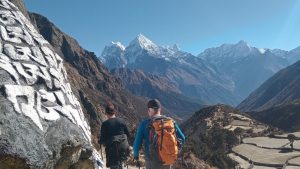
  • Explore Tengboche Monastery, Namche Bazaar, Everest view hotel (3860 m), spin the Mani stone, and cross high suspension bridges.
  • Observe unique flora and fauna.

Overview of the Everest Three Passes Trek

If you think Everest Base Camp Trek is tough, wait till you take your first step for the Everest Three Passes Trek journey. This Himalayan journey will take you through three dramatic high passes: Renjo La (5,360 m), Cho La (5,420 m), and Kongma La (5,535 m). Starting from Lukla (2,850 m), the trail ascends towards Namche Bazaar (3,440 m) and heads west to Thame (3,750 m) and Lungden (4,380 m). From there, you’ll cross the first pass, Renjo La, which provides incredible views of Gokyo Lakes, Ngozumpa Glacier, and four 8,000-meter giants, Mount Everest (8,848.86 m), Lhotse (8,526 m), Makalu (8,485 m), and Cho Oyu (8,188 m). Renjo La connects you directly to the Gokyo Valley (4,790 m) from Namche. Gokyo is home to an incredible blue lake and the viewpoint of Gokyo Ri (5,357 m).

From Gokyo, the trail finally reaches the steep and snowy Cho La Pass, which connects the Gokyo Valley to Dzongla (4,830 m) and eventually Lobuche (4,940 m), which lies inside Khumbu Valley. Along the way, you’ll pass over the Bhotekoshi River and the further paths that are covered with glaciers. This trail provides panoramic views of Cholatse (6,440 m), Ama Dablam (6,812 m), and Taboche (6,495 m). This route gives you access to Everest Base Camp and Kala Patthar (5,555 m). After reaching the most renowned place of the Everest region, the trail rises again towards Dingboche from Lobuche. The place where you’ll finally reach the rocky and less-traveled Kongma La Pass. It connects Lobuche to Chhukung (4,730 m), with stunning views of Khumbu Glacier, Lhotse, and Makalu.

Each of these three passes connects you to different landscapes and Sherpa villages like Marlung (4620 m), Thangnak (4,700 m), and Chhukung, giving you a chance to experience local culture and natural beauty. You’ll follow the clean and pure rivers like Imja Khola, walk through the rocky Imja valley, and pass by the spiritual places like Tengboche monastery. The clockwise route helps your body to adjust perfectly and quickly to the altitude. For a better detailed itinerary, you can check the itinerary section below:

17 Days Everest Three Passes Trek Itinerary

Day 1: Fly from Kathmandu/Manthali to Lukla (2,840 m), then trek to Phakding (2,610 m)

Your Everest Three High Pass Trek starts with a flight from Kathmandu (or Manthali) to Lukla (2,840 m). A short 20-45 minute mountain flight with jaw-dropping views of Langtang, Ganesh Himal (7,429 m), and the Everest range. After landing at the Tenzing-Hillary Airport, your trek begins with a walk through the Chauri Kharka village and down to the banks of the beautiful Dudh Koshi River (approximately 122 km). The trail takes you through pine forests, Sherpa villages, and across a thrilling suspension bridge decorated with prayer flags.

You’ll reach Phakding after a 3-4 hours walk, making it a great first day. Along the way, you’ll enjoy views of Kusum Kanguru (6,367 m), a beautiful snow-capped peak. In Phakding, you’ll stay in a cozy local teahouse where fresh and warm meals are served. The rooms are simple but very comfortable, perfect for you to rest after a long walk. We’ll be taking care of you and your belongings, so you don’t need to worry about safety or security during this amazing trek.

  • Flight time: 45 min (Kathmandu–Lukla) / 20 Min (Manthali–Lukla)
  • Trail length: 6.2 km (Lukla–Phakding)
  • Peak altitude: 2,840 m (Lukla)
  • Hike duration: 3-4 hours

Day 2: Trek Phakding to Namche Bazaar (3,440 m)

On the next day, you’ll follow the beautiful Dudh Koshi River, passing through lovely villages like Toktok, Benkar, and Monjo, observing the lovely views of Thamserku (6,608 m). After crossing a few exciting suspension bridges, you’ll enter the Sagarmatha National Park at Monjo, where your permits will be checked. From here, the trail gets steeper as you cross the Hillary Suspension Bridge hanging 56 m over the river, and begin the final uphill climb.

After a challenging trek of a few hours, you’ll arrive at Namche Bazaar. The main village of the Khumbu region and the biggest Sherpa town. Namche offers stunning views of Kongde Ri (6187 m), Everest, and Ama Dablam on a clear day. You’ll stay in a local teahouse, where you can enjoy fresh meals, hot drinks, and warm beds. Namche also has small bakery shops, markets, and WiFi facilities in some teahouses, a great place to rest and explore.

  • Trail Length: 8–10 km
  • Peak altitude: 3440 m (Namche Bazaar)
  • Hike Duration: 5–6 hours

Day 3: Acclimatization Day in Namche Bazaar

Today is an acclimatization day to help your body adjust to the high altitude, but we will be a little active with a short hike. You’ll hike up to the famous Everest View Hotel (3,880 m) for panoramic views of Mt. Everest, Lhotse, Ama Dablam, and Thamserku. Along the way, you’ll pass Syangboche Airstrip and small hilltops surrounded by beautiful scenery. From there, we’ll continue to explore Khumjung village, a stunning Sherpa village known for its old monastery and school built by Sir Edmund Hillary.

In the afternoon, we will return to Namche Bazaar, where you can explore local markets, shops, and museums. It’s a good place for relaxing, observing, or even trying some local yak cheese. You’ll stay another night in the same teahouse, where fresh meals are continuously served and warm blankets are always ready. This rest day will help you stay strong and active for the upcoming high-altitude challenges.

  • Trail Length (hike): 4–5 km
  • Peak altitude: 3,880 m (Everest View Hotel)
  • Hike Duration: 2–3 hours

Day 4: Trek Namche Bazaar to Thame (3,750 m)

On this day, we’ll leave the busy Everest Base Camp trail and take quieter routes towards Thame. You’ll pass through calm Sherpa villages, colorful Buddhist murals, and prayer walls along the trail. You’ll cross the Bhote Koshi River and walk through green pine forests with beautiful views of Kwangde Peak (6,430 m) and Teng Kangpoche (6,482 m). On the way, we’ll visit Thamo monastery, a holy stop situated at the top of the hills.

By afternoon, we will finally reach Thame, a traditional Sherpa community surrounded by breathtaking snow-capped mountains. At night, you’ll stay in a local guesthouse, where meals are freshly prepared and served with a smile. The rooms are simple but comfortable. The peaceful environment and fewer crowds make Thame a perfect spot for resting and spending a night enjoying the mountain lifestyle.

  • Trail Length: 7–9 km
  • Peak altitude: 3,750 m (Thame)
  • Hike Duration: 5–6 hours

Day 5: Trek Thame to Lungden (4,500 m)

Today, you’ll trek on a more remote and peaceful trail as you head towards Lungden. You’ll pass through beautiful alpine landscapes, dry hills, and ancient stone walls, observing their beauty and significance. The trail follows the Bhote Koshi River, offering views of snow-covered ridges and rocky cliffs. Along the way, we’ll pass through a small village known as Marlung (4,200 m) where you’ll see yak pastures and prayer flags fluttering in the wind. You can also visit Nakpa Valley and Cho Relmo Lake.

By afternoon, we’ll reach Lungden, a village situated at a high altitude surrounded by mountains. You’ll stay in the local teahouse, where warm foods are freshly prepared and served on the spot. The rooms are not that luxurious, but they are comfortable enough to give you a good sleep after an hour’s walk. The peaceful environment outside the lodge gives you a real sense of being deep in the Himalayas. This day helps you to adjust to higher elevations before crossing the first big pass.

  • Trail Length: 8–9 km
  • Peak altitude: 4,500 m (Lungden)
  • Hike Duration: 5–6 hours

Day 6: Trek Lungden to Gokyo (4,750 m) via Renjo La Pass (5,446 m)

Well, this day is a big adventure day as you’ll cross your first high pass: Renjo La (5,360 m). You’ll start your journey early from Lungden, climbing steep switchbacks through rocky trails and alpine landscapes. As you reach the top of Renjo La, you will get an amazing view of Mount Everest (8,848.86 m), Lhotse (8,526 m), Makalu (8,463 m), Cho Oyu (8,201 m), and stunning Gokyo Lakes below. It will be one of your most beautiful views on the entire trek. After enjoying the views, we’ll move along a stone staircase to reach the Gokyo valley.

We will finally arrive at Gokyo in the afternoon, a lakeside village next to the breathtaking Third Gokyo Lake (Dudh Pokhari). You’ll stay in a warm teahouse with freshly cooked food and normal but relaxing rooms. Surrounded by snow-capped peaks, hills, and clear blue lakes, Gokyo is the perfect resting destination where you can enjoy the beauty of nature after a challenging but unforgettable day.

  • Trail Length: 9–10 km
  • Peak altitude: 5,446 m (Renjo La Pass)
  • Hike Duration: 7–8 hours

Day 7: Acclimatization Day at Gokyo + hike to Gokyo Ri (5,400 m)

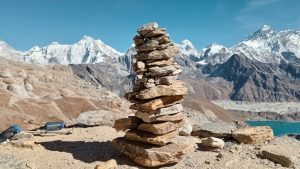
Today is again another acclimatization day in the beautiful Gokyo Valley, but we’ll stay active for a morning hike to Gokyo Ri (5,400 m). You’ll pass through rocky paths and steep hills as you climb to the summit. From the top, we will enjoy panoramic views of Mount Everest, Cho Oyu, Makalu, Lhotse, and Nuptse, along with the massive Ngozumpa Glacier (32 km)—the longest glacier in Nepal. There’s also an optional hike to Scoundrel’s Viewpoint, where even more stunning Himalayan cliffs can be observed.

After a wonderful hike, we will return to Gokyo Valley (4,750 m) for a rest. You can relax by the peaceful Gokyo Lakes or explore the charming village. You’ll spend another night in the cozy teahouse, where warm and nutritious foods are served on the spot. It’s a perfect day to enjoy the high-altitude beauty while giving your body a good time to adjust before the next pass.

  • Trail Length (hike): 1–2 km
  • Peak altitude: 5,400 m (Gokyo Ri)
  • Hike Duration: 1–2 hours

Day 8: Trek Gokyo to Thangnak (4,700 m)

After a perfect acclimatization day, you will be back on your trekking routine. You’ll leave Gokyo and begin your exciting trek towards Thangnak (4,700 m). You’ll pass along the edge of Gokyo Lakes and cross Nepal’s longest glacier, Ngozumpa Glacier. This trail is a little rough and tough because it is rocky and steep. As you walk further, you’ll see stunning views of Cho Oyu, ice formations, and the glacier’s crevasses spreading far into the valley.

After observing this glacier, you’ll reach the small settlement of Thangnak, which is situated at the base of the Cho La Pass. You’ll stay in well-managed guest houses where warm and healthy foods are served with proper hygiene. The rooms are simple, and the peaceful mountain surroundings make it a great place to rest and prepare for the upcoming challenges.

  • Trail Length: 4–5 km
  • Peak altitude: 4,700 m (Thangnak)
  • Hike Duration: 4–5 hours

Day 9: Trek Thangnak to Dzongla (4,855 m) via Cho La Pass (5,420 m)

Today is one of the most challenging but exciting days of the trek as we cross Cho La Pass (5,420 m). You’ll start your trek early because it is a little tough; the climb is steep and rocky, passing over icy trails, frozen streams, and snowy fields. As you reach the top of the pass, you’ll be rewarded with the majestic view of Ama Dablam, Cholatse (6,400 m), and the snowy ridges around. Even though it is a tough climb, the beautiful Himalayan scenery makes it all worth it.

After enjoying the views, we made a careful and slow descent down towards Dzongla (4,855 m), a small and charming village surrounded by snow-capped mountains. Here, you’ll stay in a basic teahouse, where you can rest, eat hot, fresh food, and warm up after the long day hiking. The beautiful surroundings and peaceful atmosphere make Dzongla a perfect stop to take a rest and prepare further.

  • Trail Length: 14–16 km
  • Peak altitude: 5,420 m (Cho La Pass)
  • Hike Duration: 6–7 hours

Day 10: Trek Dzongla to Lobuche (4,910 m)

After a peaceful sleep at Dzongla, you’ll move towards your next destination on this day. It is a shorter and more relaxed trekking day. You’ll leave Dzongla and follow a picturesque path along the rocky hills and cliffs. Along the way, you’ll pass close to Chola Tsho Lake and enjoy stunning views of Nuptse, Pumori (7,162 m), Lobuche Peak (6,119 m), and Taboche (6,495 m). This trail slowly leads you towards Lobuche, giving you plenty of time to enjoy the high-altitude natural beauty.

You’ll reach Lobuche by afternoon and stay in a cozy teahouse. You’ll be served fresh, healthy, and nutritious food that is required for boosting your energy after such a long and tiring trek. The rooms are normal but perfect for sleeping and resting. Lobuche is a quiet and peaceful place to rest before going for Everest Base Camp, as you can enjoy a glimpse of Imja Khola Valley that ranges from about 4,410 m near Dingboche up to around 5,000 m near Imja Tse Base Camp, spread out beautifully beneath the icy ridges.

  • Trail Length: 7–8 km
  • Peak altitude: 4,910 m (Lobuche)
  • Hike Duration: 4–5 hours

Day 11: Trek Lobuche to Everest Base Camp (5,364 m) then return to Gorak Shep (5,185m)

Leaving Lobuche, you’ll follow the rocky and glacial lake along the Khumbu Glacier towards Goraksherp, the last settlement before EBC. After a short break, we’ll continue the trek through the trail filled with snow and ice. Reaching the iconic Everest Base Camp (5,364 m) is a dream moment for everyone. You’ll stand at the foot of the world’s tallest mountain, surrounded by massive ice rocks, colorful prayer flags, and stunning views of Khumbu icefall.

After enjoying the once-in-a-lifetime moment, you’ll return to Goraksherp for the night. This village lies between beautiful and massive peaks like Pumori and Nuptse, with views of Lingtren (6,749 m) and Khumbutse (6,636 m). Here you’ll stay is a simple, basic teahouse, where warm, freshly cooked meals are made on the spot and served. Offering you comfort and rest after this incredible adventure.

  • Trail Length: 14–15 km
  • Peak altitude: 5,364 m (Everest Base Camp)
  • Hike Duration: 7–8 hours

Day 12: Hike Kala Patthar (5,555 m) then Trek back to Lobuche

The early morning hike to Kala Patthar begins from Goraksherp, offering one of the most iconic sunrise views in the Himalayas. From the top, you’ll witness sunlight touching the summits of Mount Everest, Lhotse, Nuptse, and Pumori. The viewpoint also provides panoramic views of the Khumbu Glacier, Lingtren, and distant Makalu mountain. Cold but trekworthy, this moment is a major highlight of the trek.

After capturing the gorgeous sights, we’ll descend back to Goraksherp for breakfast, then trek down through the glacier path towards Lobuche. Overnight stay in a warm and welcoming teahouse in Lobuche, where fresh meals and a peaceful atmosphere help you to relax and recharge.

  • Trail Length: 8–9 km
  • Peak altitude: 5,555 m (Kala Patthar)
  • Hike Duration: 6–7 hours

Day 13: Trek Lobuche to Chhukung (4,730 m) via Kongma La Pass (5,535 m)

On this very day, we’ll leave Lobuche and move forward across the rocky slopes and glacier path towards the challenging Kongma La Pass (5,535 m), the highest pass among the three. You’ll pass through some parts of the Khumbu Glacier, cross frozen lakes, and make a steep climb to the top of the pass. The summit offers breathtaking views of some of the mountains like Ama Dablam, Makalu, Lhotse, Nuptse, and the wide Imja Valley below, making the effort truly fruitful.

After enjoying the views, you’ll descend to Chhukung. The closer you get, the wider the scene becomes, revealing more of the Imja Khola valley. On arrival in Chhukung (4,730 m), a small settlement surrounded by tall peaks like Island Peak and Imja Tse (6,189 m), you will be ready to rest your backpack. There are simple guesthouses that provide fresh and warm meals that help you recover from a long day’s walk.

  • Trail Length: 10–11 km
  • Peak altitude: 5,535 m (Kongma La Pass)
  • Hike Duration: 7–8 hours

Day 14: Trek Chhukung to Tengboche (3,855 m)

Starting from Chhukung, the trail descends gradually through the village of Dingboche (4,410 m), then continues past Orsho (4,050 m) and Shomare (4,280 m), along with the incredible views of Ama Dablam, Taboche, and Thamserku. You’ll walk on the side of Imja Khola River, crossing old wooden bridges and stone-paved paths through a small Sherpa village. The final trek includes a short forest climb to reach Tengboche, known as a holy place of the Khumbu region.

At Tengboche (3,855 m), you’ll visit the popular Tengboche Monastery, surrounded by stunning Himalayan views. This sacred site offers you a fresh atmosphere and a chance to witness evening prayers with the monks. You’ll stay in a homely teahouse, where fresh and healthy meals are served. The beauty and positive vibe of Tengboche make it one of the most memorable stops of the trek.

  • Trail Length: 13–14 km
  • Peak altitude: 4,730 m (Chhukung)
  • Hike Duration: 5–6 hours

Day 15: Trek Tengboche to Namche Bazaar (3,440 m)

Today, you’ll pass through rhododendron and pine forest, descend to the banks of the Dudh Koshi River, and cross suspension bridges with views of Thamserku and Kusum Kanguru. The trail takes you through charming villages like Phunki Tenga (3,600 m) and Sanasa (3,750 m), offering a perfect mixture of nature and Sherpa culture along the way.

Finally, after reaching the Namche Bazaar (3,440 m), you’ll return to the bustling heart of the Khumbu region. Shops, bakeries, and warm teahouses again welcome you with comfort and great food. In Namche, you’ll stay at the same normal teahouse, where fresh and warm meals are served with smiles. It can be a perfect place to rest and recall the memories that you have made up there.

  • Trail Length: 6–7 km
  • Peak altitude: 3,855 m (Tengboche)
  • Hike Duration: 4–5 hours

Day 16: Trek Namche to Lukla (2,840 m)

Now, you have to officially say goodbye to Namche Bazaar. On this day, you’ll pass through beautiful forests of pine and rhododendron, cross the popular Hillary Suspension Bridge, and follow the Dudh Koshi River back. Then again, pass through Sherpa villages like Monjo, Benkar, Phakding, and Chheplung. Along the way, you can enjoy the final beauty of snow-capped peaks like Thamserku and peaceful terraced fields.

Now you’ll reach Lukla again after all that dramatic adventure, the trail officially ends, and you can finally leave back your unforgettable journey through the Everest region. You’ll stay at a comfortable teahouse, you can call it luxury, where fresh, warm meals are provided. Surrounded by your trekking friends and mountain air, it’s a perfect spot to celebrate your achievement.

  • Trail Length: 13–14 km
  • Peak altitude: 3,440 m (Namche)
  • Hike Duration: 6–7 hours

Day 17: Fly back to Kathmandu/Manthali from Lukla

Now it’s time to get back to the place where you started. You’ll take a scenic flight from Lukla, flying above the Dudh Koshi Valley, dense hillsides, and the snow-capped peaks of the Khumbu Himalayas, with the final views of Ama Dablam, Thamserku, and Kongde Ri. Upon landing at Kathmandu or Manthali Airport, you’ll be transferred to your hotel. And the rest of the day, you can spend it exploring the Kathmandu valley. Stay at comfortable hotels with fresh meals awaiting, a perfect end to your incredible Everest Three Passes adventure.

  • Trail Length: No trekking
  • Peak altitude: 2,840 m (Lukla)
  • Flight Duration: 45 min (Lukla–Ktm) / 20 min (Lukla–Manthali)

What's Included?

  • Airport pickups and drops (international + domestic).
  • Government-licensed guides and porters.
  • Domestic flights and bus tickets.
  • All meals (Breakfast, Lunch, Dinner) during the trek.
  • Staff wages, food, gear, accommodation, insurance.
  • Drinking water during the trek.
  • Trekking permits.
  • All government taxes.
  • Emergency rescue assistance.
  • Participation certificate.
  • Farewell dinner.

What's Not Included?

  • International flight to/from Nepal.
  • Nepal visa fee.
  • Kathmandu accommodations & meals.
  • Additional days in Kathmandu due to early return or delays.
  • Personal expenses (hot showers, Wi-Fi, charging, snacks, drinks, laundry).
  • Travel insurance.
  • Tips for guides and porters.

What Makes the Everest Three Passes Trek Truly Worth It

The Everest 3 Passes Trek is more than just pretty mountain views. You’ll get an entire complete trek through the Khumbu region, including off-the-beaten-path places like Thame, Lungden, and Chhukung. It is the Himalayan adventure that gives you everything in one journey. You don’t only trek to Everest Base Camp, you’ll cross three high-altitude mountain passes- Renjo La (5,360 m), Cho La (5,420 m), and Kongma La (5,535 m). It offers gorgeous views of Mount Everest, Lhotse, Makalu, Cho Oyu, and many other tallest snow-capped peaks.

You’ll walk through local Sherpa villages and visit holy monasteries like Tengboche. You can also experience alpine valleys, glacial lakes like Gokyo Lakes, and massive glaciers like Ngozumpa and Khumbu. It’s also a great way to avoid the main crowded trail while still observing all the main highlights. With the mixture of nature, culture, and challenge, the Everest Three High Pass trek is a complete adventure, perfect for those who want something more challenging and interesting than just a regular EBC trek.

Is the Everest Three Passes trek for you

If you’ve already completed the Everest Base Camp trek and found yourself wanting more adventure, more challenging, more remote trails, then the Three Passes Trek might be for you. This trek is especially for those who are comfortable with high altitudes and long trekking days. As it involves some difficult and challenging parts at some stops, it is not family friendly; It is also not suitable for children under 10 or older adults. It is perfect for those who want to explore the less-traveled and more remote side of the Everest region. It is not just about spending 17 days, it’s about enjoying the full Himalayan experience with glacier crossing, wild terrain, and gorgeous panoramic views from above 5,000 meters.

But it’s not for everyone, but that is okay. If you’re a beginner to trekking at high altitude or building your confidence, it will be great to start your first journey with Everest Base Camp or another classic route first. The Three Passes requires good fitness, mental stamina, and a perfect love towards real adventure. If the idea of remote mountain passes, fewer crowds, and tougher trails excites you, then yes, the Everest Three Passes Trek is probably for you.

Everest Three Passes trek Cost

The cost of the Everest Three Passes typically ranges from $1,999 to $2,199 per person, depending on the services and group size. The cost covers everything you need: domestic flights (Kathmandu -Lukla round trip), airport transfers, trekking permits, a licensed guide and porter, basic safety equipment, teahouse accommodations, and fresh meals throughout the journey.

However, the cost does not include international flight tickets, travel insurance, personal trekking gear, WiFi, hot showers, battery charging, or tips for the guide or porters. The price is fair and well worth it. Go for this trek without any doubt because the vibe, views, and lifelong memories are more valuable than money.

How to stay safe on the Three Passes Trail

Everest Pass trek is challenging and remote, so safety should be your first priority. The biggest risks are altitude sickness, unpredictable weather, and physical exhaustion. To stay safe during this trek, take the proper time to acclimatize. Don’t rush in a hurry. Drink plenty of water, eat fresh meals, and always listen to your body. If you feel dizzy, weak, or nauseous at high altitude, descend as fast as possible. Always check the weather before going on this journey. Storms or heavy snowfall can make the high passes dangerous.

You also need to hire a guide and choose an agency for your journey that adds an extra layer of safety. You don’t have to think much about it. You can simply choose our agency for your full safety and ease. We know the trails, monitor weather conditions, and are trained to handle emergency situations. Carry a basic first-aid kit, sleeping bags, a water bottle, altitude meds, a reliable map, and keep a fully charged phone or GPS device. Trekking with your partner, informing others about your route each day, can help you in difficult situations. With the right preparation and safety, you can complete the Three Passes Trek confidently and safely.

Can you trek the three passes without a permit?

No, you cannot trek the Everest Three Passes route without proper permits. These permits are required by the government and local authorities to enter national parks, ensure your safety, and support local communities. Without them, you may be stopped at the checkpoints along the trail and not allowed to continue your journey. You may even be fined if you try to enter the National Park without it.

For this trek, you’ll need two main permits. Sagarmatha National Park Permit to enter the national park area, which costs nearly USD 25 per person, and Khumbu Pasang Lhamu Rural municipality Permit that costs around 14.52 dollars per person, for access to the Khumbu region. Choose our agency for a fast process. We will arrange it for you in Kathmandu or at entry points like Monjo. You don’t have to worry about it.

Eating and Sleeping in the Khumbu

Along the Everest Three Passes Trail, you’ll stay in simple local teahouses run by Sherpa families. These teahouses offer normal but warm and cozy rooms, usually with two beds and thick warm blankets. You’ll find fresh, hot meals like dal bhat (rice, lentils, and vegetables), momos (dumplings), fried rice, pasta, and even pancakes for breakfast. Even though the food is basic but they are full of nutrients, which are perfect for long trekking days. Most teahouses also serve ginger tea and garlic soup, great for high altitude and staying warm.

In many teahouses, especially in larger villages like Namche, Gokyo, and Dingboche, you can access Wi-Fi, charging points, and sometimes even hot showers too. The higher you go, the fewer your facilities become, WiFi gets weaker, hot showers become expensive, and charging may be done with the help of solar power. Still, the warm hospitality, nourishing food, and breathtaking mountain views make teahouse life a special part of the journey.

Is the Everest Three Passes Trek Clockwise or Anticlockwise?

The Everest Three Passes Trek is most commonly done in a clockwise direction. It means starting from Lukla, trekking up to Namche Bazaar, then heading towards Thame and Gokyo, and finally crossing the Renjo La Pass first. After that, moving towards Cho La Pass to reach Everest Base Camp, and finally crossing Kongma La Pass before returning to Lukla. This route is mostly preferred because it allows for gradual altitude gain, which helps your body to acclimatize nicely. It also follows a smooth logistical flow, with guest houses and lodges placed nicely and perfectly along the way.

But some of the trekkers do choose the anticlockwise direction, starting with Kongma La, then Cho La, and finishing with Renjo La. While this can offer a different experience, it’s more challenging because you’ll gain altitude quickly and face steeper climbs early in the trek. It is mostly suitable for experienced trekkers. But if you’re new to high-altitude trekking or want a safer and smoother experience, clockwise is the best way to go.

Three Major High Passes You’ll Cross on This Trek

The Everest Three Passes Trek takes you over three of the highest and most attractive mountain passes in the Khumbu region. The first one is Renjo La Pass (5,446 meters), which offers breathtaking views of Gokyo Lakes, Mt Everest, Makalu, and more. The climb to Renjo La may be a little challenging for you, but it is more rewarding, with fewer crowds, silent trails, and a peaceful mountain atmosphere. Historically, this place was used early by Tibetan traders making their way into the Khumbu valley, adding some cultural taste to your journey.

Next is Cho La Pass (5,420 meters), a famous and rocky crossing that connects Gokyo with Lobuche. You’ll walk over glaciers and rugged trails, with the views of Ama Dablam, Cholatse, and other Himalayan peaks. The highest and final pass is Kongma La (5,535 meters), joining Lobuche to Chhukung. This pass is more remote as compared to others, offering stunning views of Lhotse, Nuptse, and the vast Khumbu glacier. These routes have been part of traditional yak trading paths, which Sherpas widely used for doing local trading business. All three passes test your endurance but reward you with unbelievable mountain scenery and unforgettable memories.

Checkpoints on the Everest Three Passes Trek

  • Lukla: The checkpoint is Lukla Police Checkpoint (Permit check). This is the official starting point of the trek. You have to show your Khumbu permits here.
  • Namche Bazaar: Namche Army Post & Sagarmatha National Park is the checkpoint. Namche is the main village of Khumbu, where you can enjoy an acclimatization day and stunning views of Everest and Ama Dablam.
  • Thame: The checkpoint is Thame Police Post. It is a peaceful Sherpa village home to an ancient monastery. It’s a good stop for acclimatization and cultural exploration.
  • Gokyo: It is an informal guest logbook that acts as a checkpoint system in most Nepali teahouses on trekking routes.
  • Dzongla: It has no official checkpoint, but the guesthouses keep records of trekkers. This place is a small but important stop between Cho La Pass and Lobuche.
  • Lobuche: Lobuche Check Post, before heading to EBC, is the checkpoint here. The first major stop before heading to Goraksherp or EBC, offering stunning views of Nuptse and the Khumbu glacier.

Weather Conditions in the Everest Region

Season Temperaature Good Time to Trek? Trail conditions
Spring (March-May) -5°C to 15°C (day)

-15°C to -5°C (night)

Yes (ideal season) Stable trails, some snow at high passes
Summer (June-August) 5°C to 18°C (day)

0°C to 2°C (night)

No (avoid if possible) Wet, muddy conditions and landslides are possible
Autumn (September-November) -3°C to 15°C (day)

-15°C to -2°C (night)

Yes (ideal season | best) Dry, safe, some snow at high altitudes
Winter (December-February) -10°C to 7°C (day)

-20°C to -10°C (night)

Caution (for pros only) Snowy, icy, high passes may close

FAQs About Everest Three Passes Trek