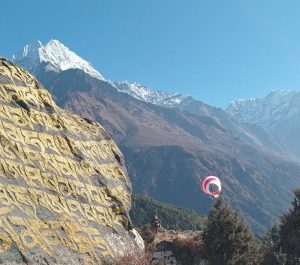
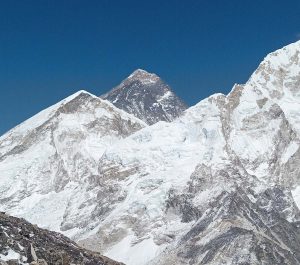
Standing on the foot of Mount Everest, the world’s highest peak (8,848.86 m), is a once-in-a-lifetime experience that few people get to achieve, making the trek to EBC truly worth it. The feeling of reaching Everest Base Camp, surrounded by the tallest mountains such as Lhotse, Nuptse, and Ama Dablam, is an unforgettable moment. It’s not only about the destination but also about the journey through some of the most breathtaking landscapes on Earth. You’ll hike through pine and rhododendron forests, suspension bridges, rivers, and high-altitude terrain, watching the views change with every step.
But it’s more than just a mountain view. The trek offers a cultural experience while walking through Sherpa villages, visiting ancient Buddhist monasteries like Tengboche, and exploring the unique Himalayan life. Along the way, you’ll meet fellow trekkers from all over the world. You can share your stories and listen to theirs while enjoying hot meals in a teahouse. Despite the physical challenges, most of the trekkers say that the natural beauty, the local lifestyle, and the chance to witness Everest that close make every step 100% worth it.
Elevation of Everest Base Camp
The elevation of Everest Base Camp (EBC) on the south side in Nepal is 5,364 meters (17,598 feet) above sea level. Located in the Sagarmatha National Park of Solukhumbu district, it sits on the foot of the world’s highest mountain, Mount Everest (8,868.86 m/ 29,031.7 feet). This elevation matters because it places trekkers in a high-altitude environment where oxygen levels are about 50% lower than at sea level. So it requires proper acclimatization to avoid altitude sickness and ensure a safe and successful trek.
Elevation Chart

How much does it cost to trek to Everest Base Camp?
Trekking to Everest Base Camp usually costs between $1,500 to $2,435 per person, depending on the group size and the season. During the main trekking season (March 3rd week to June 2nd week), if you are the only person travelling, without joining in groups, then you have to pay around $2,435, while groups of 2-5 people should pay around $1,820 per person. For the larger group, the price drops to $1560 for 6-10 people and $1,500 for groups of more than 10. In other trekking seasons, solo trekkers pay about $2,365, groups of 2-5 pay around $1,840, 6-10 people pay $1,660, and larger groups over 10 pay about $1,600 per person.
Extra costs at higher altitudes are not included in these packages. Services like hot showers, WiFi, charging devices, and hot water cost around $5 per use. If you prefer more comfort, then you can upgrade to luxury teahouses for about $100 extra per person. An attached room upgrade is also available for $10 per night for two people, along with the services mentioned above, for which you have to pay an extra $5. These upgrades are optional but can add more comfort to your adventure.
How Many Trekkers Actually Reach Everest Base Camp?
The number of trekkers who actually reach Everest Base Camp (EBC) is higher, with around a 90-95% success rate. Although it doesn’t have actual data on the number of trekkers who have successfully completed the EBC, it is estimated that approximately 40,000 trekkers reach Base Camp every year. In 2025, it is expected to be around 35,000-38,000 trekkers, whereas in 2026, a slight rise to nearly 40,000 trekkers is estimated due to increasing interest and tourism recovery.
Several key factors like acclimatization, health, and weather, those who include rest days in Namche Bazaar and Dingboche have a success rate of around 95%. But the trekkers who skip these days face a higher risk of altitude sickness, lowering their success rate to about 85%. Good guidance, mental and physical preparation, and choosing a better agency like Raftrek Nepal boost the success chances. Overall, with proper care and support, most of them reach EBC safely and successfully, and you could be the next.
What is the flight schedule from Kathmandu to Lukla?
The typical flight schedule from Kathmandu to Lukla falls into three time slots: early morning (6:15-7:00 AM), mid-morning (8:00-9:00 AM), and a few later ones up to around 1:00 PM. Airlines like Goma Air (around 6:45 AM) and Tara Air (around 7:15 AM) generally run their flight early in the morning to take advantage of the better weather conditions. The flight duration is short, around 25 to 30 minutes, which offers magnificent aerial views of the Himalayas. Flights are operated daily, especially during the main trekking seasons: spring (March to May) and autumn (September to November).
Return flights from Lukla to Kathmandu usually begin between 7:15 AM and 12:45 PM, with most planes landing in Kathmandu between 7:45 AM and 3:15 PM. Most of the return flights are completed before 1:00 or 2:00 PM due to Lukla’s weather conditions. However, it’s important for you to know that flights to Lukla are highly weather-dependent. Even a slight change in weather, like heavy clouds, fog, or wind, can delay or cancel your flights for the day. This situation occurs especially during the monsoon season (June to August) and winter (December to February). If you’re planning a trek, then it’s important to keep at least 1-2 extra days in your schedule in case of delays or cancellations.
Can a beginner trek to Everest Base Camp?
Yes, a beginner can trek to Everest Base Camp, and many do. Every year, thousands of first-time trekkers from all around the world complete the EBC trek successfully. The route doesn’t require tough technical climbing skills, but it does need good physical and mental fitness, as well as proper preparation. The trek is around 130 km (round trip) and usually takes around 12-14 days, with proper acclimatization. The highest point, Kala Patthar, reaches 5,555 meters, where altitude sickness becomes a real risk if not managed properly.
The things that make the trek manageable for beginners are the well-established route, friendly locals, well-marked stops, and tea houses along the way. However, it is important to train before going on this journey. Do regular hiking, cardio, and strength-building exercises. Also, hiring a guide or joining a group trek can increase your safety, especially if you’re new to high-altitude trekking. But with the right mindset and preparation, a beginner can not only reach EBC but also enjoy one of the most rewarding experiences in the Himalayas.
How Short Can You Make Your Everest Base Camp Trek?
The normal Everest Base Camp (EBC) trek takes about 12 to 14 days, allowing time for proper acclimatization and a safer journey. However, for very fit and experienced trekkers, the trek can be shortened to as little as 7 to 9 days, though they may have to face higher risk. To further shorten the trek, you can use a helicopter at different points, too. The most common option is flying from Kathmandu to Lukla, which costs around $400-$500 per person. You can also choose to fly back from Gorakshep or Kala Patthar to Lukla or Kathmandu, saving 2-3 days. If you’re really short on time, you can take a helicopter directly from Kathmandu to Everest Base Camp and back in a single day.
You can also fly into higher points like Pangboche, Pheriche, or Namche, skipping the several trekking days. Helicopter shortcuts to these points can help reduce the trek to as few as 5 to 7 days, but they also reduce acclimatization time, so there’s a higher risk of altitude sickness. If you are thinking of shortening it by trekking, then you need to be really experienced because a shorter trek means longer walking days, less rest, and a greater chance of altitude sickness due to less or no acclimatization time.
Difficulty You Can Expect on the Everest Base Camp Trek
The Everest Base Camp trek is considered moderate to challenging, depending on your fitness level and experience. The trek nearly covers 130 kilometers, which takes about 12 to 14 days to complete, with daily hikes ranging from 5 to 8 hours. Kala Patthar (5,555 m), which is the highest point of this trek, and even the base camp itself at 5,364 m, make altitude one of the biggest challenges. As you go higher, the air gets thinner, and about 20% to 30% of trekkers experience symptoms of altitude sickness like headache, nausea, or fatigue. While the trail doesn’t have technical climbing, the high altitude, cold temperature, and basic facilities can make it tough.
Other challenges include steep ascents and descents, rocky trails, unpredictable weather, and cold nights, especially above 4,000 meters, where the temperature often drops below the freezing point. There are no road facilities, so once you’re in the Khumbu region, you have to walk the entire trail unless you use a helicopter. Good physical preparation, proper gear, and acclimatization are key to safe trekking.
What Kind of Food Is Available On The EBC Trek
Breakfast at the Everest Base Camp is usually healthy and nutritious. Common choices include toast with jam or honey, Tibetan bread, pancakes, porridge, muesli, and eggs (boiled, fried, scrambled, or omelets). Some of the teahouses also offer chapati, hash browns, or noodles. For drinks, you can enjoy milk tea, lemon tea, hot chocolate, or coffee. Hot lemon with honey is also a popular and perfect drink in the cold morning.
Lunch is usually served at a teahouse along the trail, which is warm and rich in energy. The most common dish is Dal Bhat- a traditional Nepali meal with rice, lentil soup, vegetables, and pickle. Other options include fried rice, noodles (veg/chicken/egg), spaghetti, momos (dumplings), chapati with curry, or macaroni and cheese. You’ll also find vegetable soup, garlic soup (good for altitude), and salads like cucumber or tomato salad. Hot drinks are usually the same as breakfast, and cold drinks like Coke, Sprite, bottled juice, or bottled water are available but can cost more as you go higher, as they are not included in the packages.
Dinner is often similar to lunch and is served in the dining areas of the tea houses. You can again choose from Dal Bhat, fried noodles, rice dishes, soups, pasta, momos, and steamed potatoes. Many trekkers like to end their day with a hot soup, such as tomato, garlic, or noodle soup. Teahouses also serve hot lemon, herbal teas, hot chocolate, and sometimes even ginger tea for digestion. Desserts like apple pie or Tibetan cake are also found in some places. Staying hydrated is very important, so you must drink boiled water, hot drinks, or carry water purification tablets for safety.
Do We Need a Guide for the Everest Base Camp Trek?
Yes, from April 1, 2023, hiring a licensed guide is mandatory for the Everest Base Camp Trek. This rule was introduced by the Nepal Tourism Board and local authorities to improve the safety of the trekkers and support local employment. The EBC route passes through high-altitude remote areas, where the chances of getting lost, facing sudden weather changes, or dealing with altitude sickness can be dangerous, especially for beginners. A guide not only helps to navigate the trail but also takes care of your health, arranges accommodation, manages permits, and can assist in emergencies. Hiring a guide helps you increase your safety and the success rate.
Guides also make the trek more enjoyable by sharing interesting facts and stories about Sherpa culture, their history, rituals, and Himalayan geography. Almost all of the guides speak basic to fluent English and are trained in first aid and altitude-related illness management. While solo trekking used to be allowed, it’s now officially restricted in the EBC region for the trekkers’ safety. Plus, travelling with a guide can help to reduce your stress and help to focus more on enjoying the views rather than worrying about arrangements.
Teahouse in EBC Trek
The teahouse is the main form of accommodation on the Everest Base Camp trek. These are small lodges run by a family found in almost every village along the trail from Lukla to Gorakshep. A normal teahouse provides a basic private or twin-sharing room, usually with wooden beds, mattresses, pillows, and blankets. Toilets are often shared and can be either Western or squat-style. The rooms get colder as you increase in altitude, and there’s usually no heating materials except in the dining area, where a wood or yak-dung stove is used to keep everyone warm in the evening. Most of the teshouses also offer hot showers, WiFi, and charging outlets at an extra cost, but the service can be limited and expensive as you move higher.
The food in the teahouse is simple but rich in nutrients. You can have different dishes like Dal Bhat, noodles, fried rice, pasta, pancakes, and soups. Most of the teahouses also serve hot drinks and cold drinks. As you trek higher, prices increase because the supplies are carried up by the porters and yaks. While teahouses are not luxury hotels, they offer a warm place to rest, a peaceful atmosphere, and a chance to connect with locals and fellow trekkers.
Can we customize the itinerary for the Everest Base Camp trek?
Yes, you can customize the itinerary for the Everest Base Camp trek based on your time, fitness level, and choice. You can add extra days for rest or acclimatization, include side trips like Gokyo Lakes or Chola Pass, or even shorten the trek using helicopter flights at certain points. Customization is helpful for adjusting to altitude, reducing the risk of sickness, or making your journey comfortable. You can even start this trek on any date you choose, instead of joining a fixed group.
Customizing your trek is also a good option if you’re travelling with family, have limited days, want to explore more, or even want a more private experience. Some prefer to trek slowly and explore villages, while other chooses faster treks. Just remember, if you’re shortening the trek, it’s important to still include acclimatization days to stay safe at high altitudes. A licensed guide or agency can help you build the right plan that matches your needs.
Note: Our agency, Raftrek Nepal, offers fully customizable EBC trek itineraries, including guided treks, side trips, and a helicopter option to match your schedule and comfort.
Train for the Everest Base Camp trek
- Start training at least 6-8 weeks before the trek.
- Do regular cardio exercises like walking, hiking, running, cycling, or swimming (4-5 times a week).
- Go on long hikes with a backpack (5-8kg) to recreate real trekking conditions and improve stamina.
- Climb stairs or uphill trails to prepare for the steep ascents and descents along the trail.
- Strength training (especially for legs, core, and back) helps to support your body during stress.
- Improve balance and body flexibility with some yoga and stretching.
- Do altitude training (if possible) or use a treadmill with an incline setting.
- Keep a regular routine and slowly make it harder as the trek dates come closer.
What Should You Pack for the Everest Base Camp Trek?
Clothing
- Thermal tops and bottoms
- Lightweight trekking shirts
- Trekking and rain pants
- Down jacket, Fleece jacket, or pullover
- Waterproof shell jacket
- Warm hat or beanie
- Neck gaiter or buff
- Sun hat or cap
- Insulated gloves or mittens
- Trekking socks
Bags and Packs
- Backpack (30L -40L for daily essentials)
- Duffel bag (70- 90L, carried by porter if using one)
- Waterproof rain cover for a backpack
- Dry sacks or ziplock bags (to keep gear dry and organized)
- Sleeping bag
Toiletries and Hygiene
- Quick dry towel
- Toothbrush and toothpaste
- Biodegradable soap and shampoo
- Sunscreen (SPF 50+), Lip balm with SPF
- Wet wipes or baby wipes
- Toilet paper, nail clipper, tweezers
Trekking essentials
- Trekking poles
- Water bottles (at least 2L capacity)
- Sunglasses with UV protection
- Energy bars/ snacks
- Map or trekking guidebook (optional)
Electronics
- Power bank
- Charging cables (USB-C, micro-USB, etc)
- Travel adapter (for Nepal’s outlets – Type C, D, or M)
- Camera or phone
Documents and Money
- Passport (with Nepal visa)
- Printed permits: TIMS and Sagarmatha National Park Entry (or QR code/ digital version)
- Travel insurance documents
- Copies of important documents
- Cash in Nepalese Rupees