Everest Base Camp Trek

  • 1-20
  • Kathmandu/Kathmandu
  • Moderate to Challenging
  • Spring (March-May) & Autumn (Sept-Nov)
  • 14 Days

What Makes the Everest Base Camp Trek So Special

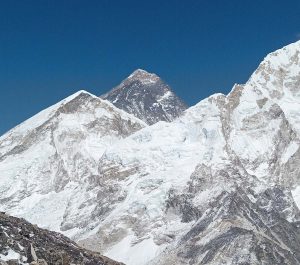
  • Reach Everest Base Camp (5,364 m) and stand at the foot of the world’s highest mountain, Mount Everest (8848.86 m)
  • View stunning Himalayan peaks like Mount Lhotse (8,516 m), Nuptse (7,861 m), Ama Dablam (6,812 m), Thamserku (6,608m), and Pumori at 7,161 m along the trail.
  • Enjoy an exciting mountain flight to Lukla (2,860 m), one of the world’s most adventurous airports.
  • Trek through Sagarmatha National Park, a UNESCO heritage site covering 1,148 sq km.
  • Explore Namche Bazaar at 3,440 meters, the main Sherpa town known as the gateway to Everest.
  • Visit the largest and most famous Buddhist monastery of the region, Tengboche Monastery.
  • Walk beside the Dudh Koshi River, which flows from Everest glaciers.
  • Cross many suspension bridges decorated with colorful prayer flags over gorges and rivers.
  • Observe the gorgeous Khumbu Glacier and the Khumbu Icefall near the base of Everest.
  • Stay in local mountain villages such as Phakding, Dingboche, Lobuche, and Gorakshep along the route.
  • Hike to Kala Patthar (5,545 m) for the best view of Mount Everest and surrounding peaks.
  • Meet the local Sherpa people and learn about their culture and mountaineering history.
  • Trek to Khumbu Village and Hotel Everest View.

Overview of Everest Base Camp Trek

If your idea of vacation includes breathtaking heights, raw adventure, and yak traffic jams, then the Everest Base Camp trek is exactly what you’re looking for! The EBC trek is a world-famous hiking spot that takes you to the foot of Mount Everest (8,8848.86 m), the highest mountain on Earth. Located in the Khumbu region of Nepal within Sagarmatha National Park, this trek starts from Lukla and spreads over 130 kilometers round-trip, usually completed in 13-14 days. It is not a climb to the top of Everest but a high-altitude journey that brings you to the Everest Base, the starting point for mountaineers attempting to conquer the peak.

The journey takes you through forests of pine and rhododendron, across rivers like Dudh Koshi (130 km), and into remote Himalayan villages. In the early trek, you’ll pass through Phakding, then reach Namche Bazaar (3,440m), which is a famous acclimatization stop offering cafes, bakeries, and a mountain gear shop.

As you climb higher, you’ll reach Tengboche, where you can explore the Tengboche Monastery. It is situated in a beautiful spot with amazing views of Ama Dablam, Everest, and Thamserku. The trail then takes you through mountain villages like Dingboche, Lobuche, and finally to Gorakshep (5,164 m), which is the last place to stay before reaching Everest Base Camp.

Beyond just Everest, the trek offers views of some of the tallest peaks in the world, like Lhotse (8,516 m), Nuptse (7,861 m), and Pumori (7,161 m). You can also witness the Khumbu Glacier, the highest glacier in the world, and Khumbu Icefall, also known as “Gateway of Death”. You’ll cross suspension bridges covered in prayer flags, see mani walls and stone chortens, and meet friendly Sherpa people.

A climb to Kala Patthar (5,545 m) after reaching EBC rewards you with the best panoramic views of Mt Everest and the nearby Himalayas. This place makes this trek not just a physically challenging one, but a highly rewarding one with epic views and raw beauty.

14 Days Itinerary of Everest Base Camp Trek

Day 1: Flight from Kathmandu to Lukla, trek to Phakding (2,650 m), or drive to Manthali and Flight from Manthali to Lukla

Depending on weather and air traffic, your journey to EBC begins with either a 30-minute flight from Kathmandu to Lukla or a 4-5 hour drive to Manthali. Manthali is the headquarters of Ramechhap district. From there, you have to take a short 15-20 minute flight to Lukla Airport (2,840 m), mostly known as Tenzing Hillary Airport. The flight from Kathmandu to Lukla offers breathtaking views of mountains like Langtang Lirung (7,227 m), Gauri Shankar (7,134 m), and Ganesh Himal (7,422 m). If you’re driving to Manthali, you’ll pass through hilly regions of Doaghat, Khadi Chaur, and the bank of the Sunkoshi River (270 km).

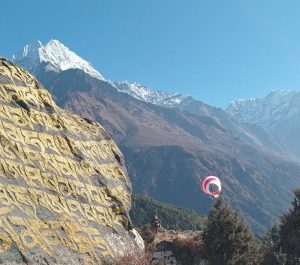
After arriving in Lukla, the real adventure begins with a 3-4 hour trek to Phakding, a village sitting along the Dudh Koshi river. You’ll pass through small Sherpa settlements like Chheplung and Ghat, walking past mani walls carved with Tibetan mantras. Along the way, enjoy the views of Kusum Kanguru (6,367m), known for its sharp twin peaks. After finally reaching Phakding, you’ll stay in a cozy teahouse, where fresh and hot meals are served.

  • Flight Distance & Time: Kathmandu to Lukla: 138 km (30-35 minutes) or Manthali to Lukla: 87 km (20 minutes)
  • Driving Distance: If you drive from Kathmandu to Manthali, it is 132 km / 4-5 hours
  • Trekking Distance/Time: Lukla to Phakding 8km / 3-4 hours
  • Highest point: Lukla 2,860 m
  • Overnight: Teahouse (Phakding)
  • Meals: Breakfast (in Kathmandu), Lunch, and Dinner

Note: During the spring and autumn (Peak Trekking Seasons), flights to Lukla operate from Manthali Airport (Ramechhap) instead of Kathmandu, from March to May and September to November. You should account for an additional 5–6 hours of driving from Kathmandu to Manthali on the first day of the trek, and the same return drive at the end. 

Day 2: Trek from Phakding to Namche Bazaar (3,440 m)

After having a warm breakfast in Phakding, you’ll begin your trek along the Dudh Koshi River (90 km). The path leads you through pine forests and across a suspension bridge decorated with prayer flags. You’ll pass small villages like Tok Tok and Benkar with an excellent view of Thamserku (6,608 m). Soon you’ll reach Monjo, the gateway to Sagarmatha National Park. This park was listed as a UNESCO World Heritage Site in 1979.

At Monjo, your permit is checked by Nepal Army and National Park officers. After checking the trail descends to Jorsalle (2,740 m), the last settlement before the big climb. From here, you’ll cross the Hillary Suspension Bridge (125 m), which is one of the highest bridges in the region. Then, after a final walk through pine and rhododendron forest, you’ll finally reach Namche Bazaar. It is the largest Sherpa town in the Everest region. You’ll rest overnight in a comfortable teahouse with fresh meals, warm blankets, and time to acclimatize.

  • Trekking Distance/Time: 10-11 km / 5-6 hours
  • Highest point: Namche Bazaar (3,440 m)
  • Overnight: Teahouse in Namche Bazaar
  • Meals: Breakfast, Lunch, and Dinner

Day 3: Acclimatization Day at Namche Bazaar

Spending a day at Namche Bazaar is essential for adjusting to the higher altitude. It also gives you a chance to explore some new places. One of the best short hikes is up to Everest View Hotel (3,880 m), which offers panoramic views of Mount Everest (8,8848.86 m), Lhotse (8,516 m), Ama Dablam (6,812 m), and Thamserku (6,608 m). It is one of the highest luxury hotels in the world and a great place to have a cup of tea with a view of the world’s tallest peaks. You can also hike to Khumjung village (3,790 m), a Sherpa settlement located beneath the slopes of Khumbila. Khumbila is the holy mountain of the Khumbu region.

In the Khumbu region, you can visit the Khumjung Monastery, which is said to be “Yeti scalp”, and explore the Hillary School, which was established by Sir Edmund Hillary itself. Back in Namche, you’ll visit the Sherpa Culture Museum and Sagarmatha National Park Visitor Center, where you can learn more about geography, wildlife, and mountaineering history. This day will help you to adjust your body as well as learn about the culture and customs followed by locals.

  • Trekking Distance/Time: 2-4 km / 2-3 hours
  • Highest point: Hotel Everest View (3,880 m)
  • Overnight: Teahouse in Namche Bazaar
  • Meals: Breakfast, Lunch, and Dinner

Day 4: Trek from Namche to Tengboche (3,855 m)

After a good acclimatization day at Namche Bazaar, your trek begins with the mountainside walk that offers jaw-dropping views of Ama Dablam, often called the most beautiful mountain in the world, along with Lhotse and Mount Everest in the distance. As you move forward, you’ll pass by small hamlets like Kyangjuma, which is surrounded by rhododendron forests. Crossing across Kyangjuma, you may spot Himalayan musk deer and colorful pheasants, so keep your eyes open.

After a long descent to the Dudh Koshi River (130 km), you’ll cross another bridge and finally reach Tengboche. This village is famous for Tengboche Monastery (3,867 m), the largest and most important monastery in the Everest region. It is mainly open from October to November to celebrate the 19-day main festival known as Mani Rimdu, featuring mask dance, rituals, and prayers. After a peaceful exploration, you’ll stay overnight in a teahouse near the monastery where fresh and warm foods are served.

  • Trekking Distance/Time: 9-10 km / 5-6 hours
  • Highest point: Tengboche (3,855 m)
  • Overnight: Teahouse in Tengboche
  • Meals: Breakfast, Lunch, and Dinner

Day 5: Trek from Tengboche to Dingboche (4,410 m)

Leaving Tengboche, the trail passes through a forest filled with birch, conifers, and rhododendron trees, leading you to Debuche. As you walk alongside the Imja Khola River, you’ll cross a bridge just below the Ama Dablam (6,812 m). The path then passes through Pangboche (3,985 m), which is the highest permanent settlement in the region and home to the oldest monastery in Khumbu. You’ll also get gorgeous views of Mount Everest, Lhotse, and Taboche (6,501 m) along this section.

From Pangboche, you’ll move uphill through Orsho and Shomare, where we’ll stop for lunch, passing through stone-walled fields where yaks graze. After a short final climb, you’ll reach Dingboche, a village situated in a wide valley with views of Island Peak (6,189 m) and Lhotse. It’s a perfect place to rest, acclimatize, and soak in the beauty of the Himalayas. Here you’ll stay in a teahouse where warm blankets and food are served with friendly hospitality.

  • Trekking Distance/Time: 11- 12 km / 5-6 hours
  • Highest point: Dingboche (4,410 m)
  • Overnight: teahouse in Dingboche
  • Meals: Breakfast, Lunch, and Dinner

Day 6: Acclimatization day in Dingboche 

To help your body adjust to the higher altitude, you’ll spend a full day in Dingboche, and this day will be very interesting. A popular acclimatization hike is up to Nangkartshang Viewpoint (5,083 m). It offers stunning views of Makalu (8,481 m), the world’s fifth-highest mountain, along with Lhotse (8,516m), Ama Dablam (6,812m), and the Imja Valley below. It will be a perfect short hike for boosting your lungs while ignoring altitude sickness.

Back in Dingboche, the village itself has a lot of quality. You can visit the Dingboche Monastery and, nearby, the Chhukung Valley trail starts here, leading to a more high-altitude journey. The village is famous for its stone-walled fields that protect the barley and potatoes from winds and yaks. You can also explore local bakeries, relax in your teahouse, and enjoy the beauty. The day is all about preparing physically and mentally for higher-altitude challenges.

  • Trekking Distance/Time: 2-4 km / 2-3 hours
  • Highest point: Nangkartsang Viewpoint (5,083 m)
  • Overnight: Teahouse in Dingboche
  • Meals: Breakfast, Lunch, and Dinner

Day 7: Trek from Dingboche to Lobuche (4,930 m)

After a good acclimatization day at Dingboche, you’ll move towards the final destination of the Day 7 journey. The trail begins with a climb to Dughla (4,620 m), passing through a wide and windy valley with the incredible views of Taboche (6,501 m), Cholatse (6,440 m), and Dablam on your right. Along the way, the landscape becomes a little harder and rocky, with glacial moraines and rough alpine beauty.

From Dughla, you’ll begin a steep and short walk to the Thukla Pass (4,830m), which is home to many memorials built in honor of climbers who lost their lives on Mount Everest. This is an emotional and touching part of the journey. After resting here, the trail follows the Khumbu Glacier, with views of the icy Lobuche East (6,119 m) and Pumori (7,161 m). Finally, you’ll reach Lobuche (4,930 m). Here you’ll rest in a teahouse and prepare for the most exciting days ahead, that is trek to Everest Base Camp.

  • Trekking Distance/Time: 8-9km / 5-6 hours
  • Highest point: Lobuche (4,930 m)
  • Overnight: Teahouse in Lobuche
  • Meals: Breakfast, Lunch, and Dinner

Day 8: Trek from Lobuche to Everest Base Camp (5,364 m), back to Gorak Shep (5,185 m)

After a perfect night in Lobuche, you’ll now be ready for the main part of this whole trek, i.e, reaching EBC. From Lobuche, you’ll follow the rocky path that lies beside the Khumbu Glacier, the longest glacier in Nepal, at around 17 km. The trail then slowly passes towards Gorakshep, which is the last settlement before Everest Base Camp. On the way, you’ll see the tallest peaks like Pumori (7,161 m), Khumbutse (6,636 m), and Nuptse (7,861 m), creating an excellent amphitheater of ice and stone.

From Gorakshep, you’ll take a short break before starting the final trek towards Everest Base Camp (5,364 m). The trail passes through glacial routes and rocky ridges with breathtaking views of the Khumbu Icefall, one of the most dangerous and spectacular parts of Everest’s climbing route. While Mount Everest (8,848 m) is not completely visible from its base camp but standing at that place where many mountaineering dreams begin is an unforgettable moment. After exploring the basecamp beauty, you’ll return to Gorakshep for the night, where you’ll stay at a normal teahouse where fresh cooked meals are provided.

  • Trekking Distance/Time: 12-13 km / 7-8 hours
  • Highest point: Everest Base Camp (5,364 m)
  • Overnight: Teahouse in Gorakshep
  • Meals: Breakfast, Lunch, and Dinner

Day 9: Hike to Kala Patthar (5,555 m),trek to Gorak Shep, then trek to Pheriche (4,250 m)

On this day, you have to wake up early in the cold morning and hike up to Kala Patthar \, the highest point of the trek at 5,545 meters. This climb rewards you with the best panoramic views of Mount Everest, along with a 360-degree Himalayan skyline that includes Lhotse, Nuptse, Pumori, and Ama Dablam. The main part of hiking up to Kala Patthar is to watch the sunrise. When the morning sun slowly comes out of the snow-covered peaks, the moment becomes one of the most unforgettable moments of the entire journey.

After enjoying the views and taking photos, you’ll walk back to Gorakshep for breakfast. After breakfast, you’ll move downhill towards Pheriche, following the Khumbu Glacier and crossing small streams. The landscapes start to change from rocky to more open alpine valleys. On the way, you’ll pass Thukla and retrace the earlier path, and finally arrive at Pheriche. Pheriche is a small settlement with the Himalayan Association Aid Post, where many trekkers rest and recover. You’ll spend the night here in the teahouse, enjoying fresh dishes and hot drinks.

  • Trekking Distance/Time: 15-17 km / 7-8 hours
  • Highest point: Kala Patthar (5,555 m)
  • Overnight: Teahouse in Pheriche
  • Meals: Breakfast, Dinner, and Lunch

Day 10: Trek from Pheriche to Tengboche (3,855 m)

After a perfect night in Pheriche, you’ll start your downward journey through the alpine valley, passing the same small villages like Orsho and Shomare. The route then follows the Imja Khola River, with the stunning views of Ama Dablam (6,812 m) and Taboche (6,367 m) standing tall beside you. As you drop in altitude, the air feels a little warmer and easier to breathe. while the greenery slowly starts to cover the hills and bushes.

After a downward walk, you’ll cross a suspension bridge near Pangboche, and the trail starts to climb through pine and rhododendron forests, taking you back to the village of Tengboche. Home to the famous Tengboche Monastery. You can revisit it and capture it in your memory. Here you’ll stay in the same teahouse, where fresh meals are served with warm hospitality so that you can recharge for the next day’s journey.

  • Trekking Distance/Time: 10-11km / 4-5 hours
  • Highest point: Pheriche (3,855 m)
  • Overnight: Teahouse in Tengboche
  • Meals: Breakfast, Lunch, and Dinner

Day 11: Trek from Tengboche to Namche Bazaar (3,440 m)

Leaving the beautiful monastery village of Tengboche (3,855 m), you’ll descend through a forest of pine, rhododendron, and fir trees. The trail leads down to Phunki Temple, a small riverside hamlet. From there, you’ll cross a suspension bridge over the Dudh Koshi River (90 km), which is one of the major rivers flowing from the Everest region. From here, an uphill climb takes you to Kyangjuma, a ridge offering a picture-perfect view of Dablam, Thamserku (6,608 m), and Kongde Ri (6,187 m).

As you continue walking, the trail becomes easier and comfortable. Soon, the familiar terraced slopes and rooftops of Namche Bazaar appear below. Returning to this Sherpa town feels like coming back home. Here you can enjoy teahouse accommodations, explore the market for the last time, enjoy fresh meals, and even have a warm shower at a small cost, while embracing the final views of the Himalayas.

  • Trekking Distance/Time: 9-10 km / 4-5 hours
  • Highest point: Tengboche (3,855 m)
  • Overnight: Teahouse in Namche Bazaar
  • Meals: Breakfast, Lunch, and Dinner

Day 12: Trek from Namche Bazaar to Phakding (2,650 m)

After a fresh and warm breakfast in Namche Bazaar, your journey moves downward along stone-paved steps towards the Hillary Suspension Bridge, which is one of the highest and most iconic bridges in the Khumbu region. As you pass through pine forests, mani walls, and chortens, you’ll have a final view of Thamserku (6,608m) and Kusum Kanguru (6,367 m)- two tall peaks standing beside the lower valley.

Then you’ll pass through villages like Jorsalle and Monjo, where you’ll exit Sagarmatha National Park. Your permits will be checked for one last time here, and you will move outside. The path then follows the banks of the Dudh Koshi River, where the sound of flowing water takes your attention. Finally, you’ll reach Phakding, a riverside village known for its relaxed atmosphere and cozy teahouse. Here you’ll take a rest and spend your night comfortably.

  • Trekking Distance/Time: 19-20 km / 6-7 hours
  • Highest point: Namche Bazaar (3,440 m)
  • Overnight: Teahouse in Phakding
  • Meals: Breakfast, Lunch, and Dinner

Day 13: Trek from Phakding to Lukla (2,850 m)

Now, your final trekking day begins from the village of Phakding, where the trail follows the upward path of the Dudh Koshi River, crossing through forests and Sherpa settlements. You’ll first pass through a culturally rich village known as Ghat (2,550 m) that creates a peaceful atmosphere around you. As you walk further, the familiar peaks of Kongde Ri (6,187m) and Numbur (6,959 m) rise in the distance, reminding you of the heights you have reached.

After crossing many bridges and moving uphill continuously, you’ll finally walk through small hamlets like Chheplung and Thado Koshi. The final step to Lukla is a bit of a climb, but it is filled with adventure and joy. Once you’re in Lukla, you can celebrate the successful completion of your Everest adventure with your trekking team. You can spend your final night in the Himalayas at a comfortable lodge here, enjoying warm meals and reflecting on the glorious moment that you have created above in the Himalayas.

  • Trekking Distance/Time: 8km / 3-4 hours
  • Highest point: Lukla (2,850 m)
  • Overnight: Lodge in Lukla
  • Meals: Breakfast, Lunch, and Dinner

Day 14: Flight from Lukla to Kathmandu

After the sun rises over the Himalayas, you’ll make your way to Tenzing-Hillary Airport in Lukla, one of the world’s most thrilling airports situated on a mountain ridge. The short and unforgettable 30-35 minute flight offers breathtaking views of the Khumbu Valley, Dudh Koshi River, and peaks like Numbur (6,958 m) and Gauri Shankar (7,134 m) for the one last time.

Once you land in the capital city of Kathmandu, you’ll feel the shift in altitude and the temperature. After nearly two adventurous weeks in the Himalayas, you’ll finally come back to the spot where you started this mesmerizing journey. Many trekkers celebrate with a warm shower, delicious local cuisine, and some shopping in the Thamel area. You’ll be transferred to TIA the very next day for the flight to your country. Your unforgettable Everest Base Camp journey officially concludes here, with a lot of memories and stories.

  • Flight Time: 30-35 minutes (Lukla-KTM) or 20 Minutes (Lukla-Manthali)
  • Highest point: N/A (flight available)
  • Overnight: Hotel in Kathmandu
  • Meals: Breakfast included, Lunch and Dinner on your own

What's Included?

  • Pickup & drop-off in Kathmandu
  • Flight from Kathmandu to Lukla and back
  • TIMS & Sagarmatha National Park entry permits
  • Experienced English-speaking trekking guide
  • Porters (for carrying luggage) – one porter for two trekkers
  • Accommodation in teahouses/lodges during the trek & BB plan for 2 nights at Kathmandu
  • Meals (Breakfast, Lunch, and Dinner) during the trek
  • First aid kit with basic medicines
  • All government taxes and service charges
  • Participation certificate
  • Farewell dinner

What's Not Included?

  • International flights to/from Nepal
  • Nepal Visa Fees
  • Travel insurance (must cover high-altitude trekking & emergency evacuation)
  • Personal expenses (laundry, Wi-Fi, phone charging, snacks, etc.)
  • Extra beverages like alcoholic drinks, soft drinks, and bottled water
  • Tips for guides and porters
  • Emergency evacuation or rescue if required
  • Additional nights in Kathmandu due to early arrival, late departure, or trek completion before schedule

What Makes Trekking to Everest Base Camp Worth It

Standing on the foot of Mount Everest, the world’s highest peak (8,848.86 m), is a once-in-a-lifetime experience that few people get to achieve, making the trek to EBC truly worth it. The feeling of reaching Everest Base Camp, surrounded by the tallest mountains such as Lhotse, Nuptse, and Ama Dablam, is an unforgettable moment. It’s not only about the destination but also about the journey through some of the most breathtaking landscapes on Earth. You’ll hike through pine and rhododendron forests, suspension bridges, rivers, and high-altitude terrain, watching the views change with every step.

But it’s more than just a mountain view. The trek offers a cultural experience while walking through Sherpa villages, visiting ancient Buddhist monasteries like Tengboche, and exploring the unique Himalayan life. Along the way, you’ll meet fellow trekkers from all over the world. You can share your stories and listen to theirs while enjoying hot meals in a teahouse. Despite the physical challenges, most of the trekkers say that the natural beauty, the local lifestyle, and the chance to witness Everest that close make every step 100% worth it.

Elevation of Everest Base Camp

The elevation of Everest Base Camp (EBC) on the south side in Nepal is 5,364 meters (17,598 feet) above sea level. Located in the Sagarmatha National Park of Solukhumbu district, it sits on the foot of the world’s highest mountain, Mount Everest (8,868.86 m/ 29,031.7 feet). This elevation matters because it places trekkers in a high-altitude environment where oxygen levels are about 50% lower than at sea level. So it requires proper acclimatization to avoid altitude sickness and ensure a safe and successful trek.

Elevation Chart

Elevation chart showing the main stops of Everest Base Camp

How much does it cost to trek to Everest Base Camp?

Trekking to Everest Base Camp usually costs between $1,500 to $2,435 per person, depending on the group size and the season. During the main trekking season (March 3rd week to June 2nd week), if you are the only person travelling, without joining in groups, then you have to pay around $2,435, while groups of 2-5 people should pay around $1,820 per person. For the larger group, the price drops to $1560 for 6-10 people and $1,500 for groups of more than 10. In other trekking seasons, solo trekkers pay about $2,365, groups of 2-5 pay around $1,840, 6-10 people pay $1,660, and larger groups over 10 pay about $1,600 per person.

Extra costs at higher altitudes are not included in these packages. Services like hot showers, WiFi, charging devices, and hot water cost around $5 per use. If you prefer more comfort, then you can upgrade to luxury teahouses for about $100 extra per person. An attached room upgrade is also available for $10 per night for two people, along with the services mentioned above, for which you have to pay an extra $5. These upgrades are optional but can add more comfort to your adventure.

How Many Trekkers Actually Reach Everest Base Camp?

The number of trekkers who actually reach Everest Base Camp (EBC) is higher, with around a 90-95% success rate. Although it doesn’t have actual data on the number of trekkers who have successfully completed the EBC, it is estimated that approximately 40,000 trekkers reach Base Camp every year. In 2025, it is expected to be around 35,000-38,000 trekkers, whereas in 2026, a slight rise to nearly 40,000 trekkers is estimated due to increasing interest and tourism recovery.

Several key factors like acclimatization, health, and weather, those who include rest days in Namche Bazaar and Dingboche have a success rate of around 95%. But the trekkers who skip these days face a higher risk of altitude sickness, lowering their success rate to about 85%. Good guidance, mental and physical preparation, and choosing a better agency like Raftrek Nepal boost the success chances. Overall, with proper care and support, most of them reach EBC safely and successfully, and you could be the next.

What is the flight schedule from Kathmandu to Lukla?

The typical flight schedule from Kathmandu to Lukla falls into three time slots: early morning (6:15-7:00 AM), mid-morning (8:00-9:00 AM), and a few later ones up to around 1:00 PM. Airlines like Goma Air (around 6:45 AM) and Tara Air (around 7:15 AM) generally run their flight early in the morning to take advantage of the better weather conditions. The flight duration is short, around 25 to 30 minutes, which offers magnificent aerial views of the Himalayas. Flights are operated daily, especially during the main trekking seasons: spring (March to May) and autumn (September to November).

Return flights from Lukla to Kathmandu usually begin between 7:15 AM and 12:45 PM, with most planes landing in Kathmandu between 7:45 AM and 3:15 PM. Most of the return flights are completed before 1:00 or 2:00 PM due to Lukla’s weather conditions. However, it’s important for you to know that flights to Lukla are highly weather-dependent. Even a slight change in weather, like heavy clouds, fog, or wind, can delay or cancel your flights for the day. This situation occurs especially during the monsoon season (June to August) and winter (December to February). If you’re planning a trek, then it’s important to keep at least 1-2 extra days in your schedule in case of delays or cancellations.

Can a beginner trek to Everest Base Camp?

Yes, a beginner can trek to Everest Base Camp, and many do. Every year, thousands of first-time trekkers from all around the world complete the EBC trek successfully. The route doesn’t require tough technical climbing skills, but it does need good physical and mental fitness, as well as proper preparation. The trek is around 130 km (round trip) and usually takes around 12-14 days, with proper acclimatization. The highest point, Kala Patthar, reaches 5,555 meters, where altitude sickness becomes a real risk if not managed properly.

The things that make the trek manageable for beginners are the well-established route, friendly locals, well-marked stops, and tea houses along the way. However, it is important to train before going on this journey. Do regular hiking, cardio, and strength-building exercises. Also, hiring a guide or joining a group trek can increase your safety, especially if you’re new to high-altitude trekking. But with the right mindset and preparation, a beginner can not only reach EBC but also enjoy one of the most rewarding experiences in the Himalayas.

How Short Can You Make Your Everest Base Camp Trek?

The normal Everest Base Camp (EBC) trek takes about 12 to 14 days, allowing time for proper acclimatization and a safer journey. However, for very fit and experienced trekkers, the trek can be shortened to as little as 7 to 9 days, though they may have to face higher risk. To further shorten the trek, you can use a helicopter at different points, too. The most common option is flying from Kathmandu to Lukla, which costs around $400-$500 per person. You can also choose to fly back from Gorakshep or Kala Patthar to Lukla or Kathmandu, saving 2-3 days. If you’re really short on time, you can take a helicopter directly from Kathmandu to Everest Base Camp and back in a single day.

You can also fly into higher points like Pangboche, Pheriche, or Namche, skipping the several trekking days. Helicopter shortcuts to these points can help reduce the trek to as few as 5 to 7 days, but they also reduce acclimatization time, so there’s a higher risk of altitude sickness. If you are thinking of shortening it by trekking, then you need to be really experienced because a shorter trek means longer walking days, less rest, and a greater chance of altitude sickness due to less or no acclimatization time.

Difficulty You Can Expect on the Everest Base Camp Trek

The Everest Base Camp trek is considered moderate to challenging, depending on your fitness level and experience. The trek nearly covers 130 kilometers, which takes about 12 to 14 days to complete, with daily hikes ranging from 5 to 8 hours. Kala Patthar (5,555 m), which is the highest point of this trek, and even the base camp itself at 5,364 m, make altitude one of the biggest challenges. As you go higher, the air gets thinner, and about 20% to 30% of trekkers experience symptoms of altitude sickness like headache, nausea, or fatigue. While the trail doesn’t have technical climbing, the high altitude, cold temperature, and basic facilities can make it tough.

Other challenges include steep ascents and descents, rocky trails, unpredictable weather, and cold nights, especially above 4,000 meters, where the temperature often drops below the freezing point. There are no road facilities, so once you’re in the Khumbu region, you have to walk the entire trail unless you use a helicopter. Good physical preparation, proper gear, and acclimatization are key to safe trekking.

What Kind of Food Is Available On The EBC Trek

  • Breakfast

Breakfast at the Everest Base Camp is usually healthy and nutritious. Common choices include toast with jam or honey, Tibetan bread, pancakes, porridge, muesli, and eggs (boiled, fried, scrambled, or omelets). Some of the teahouses also offer chapati, hash browns, or noodles. For drinks, you can enjoy milk tea, lemon tea, hot chocolate, or coffee. Hot lemon with honey is also a popular and perfect drink in the cold morning.

  • Lunch

Lunch is usually served at a teahouse along the trail, which is warm and rich in energy. The most common dish is Dal Bhat- a traditional Nepali meal with rice, lentil soup, vegetables, and pickle. Other options include fried rice, noodles (veg/chicken/egg), spaghetti, momos (dumplings), chapati with curry, or macaroni and cheese. You’ll also find vegetable soup, garlic soup (good for altitude), and salads like cucumber or tomato salad. Hot drinks are usually the same as breakfast, and cold drinks like Coke, Sprite, bottled juice, or bottled water are available but can cost more as you go higher, as they are not included in the packages.

  • Dinner

Dinner is often similar to lunch and is served in the dining areas of the tea houses. You can again choose from Dal Bhat, fried noodles, rice dishes, soups, pasta, momos, and steamed potatoes. Many trekkers like to end their day with a hot soup, such as tomato, garlic, or noodle soup. Teahouses also serve hot lemon, herbal teas, hot chocolate, and sometimes even ginger tea for digestion. Desserts like apple pie or Tibetan cake are also found in some places. Staying hydrated is very important, so you must drink boiled water, hot drinks, or carry water purification tablets for safety.

Do We Need a Guide for the Everest Base Camp Trek?

Yes, from April 1, 2023, hiring a licensed guide is mandatory for the Everest Base Camp Trek. This rule was introduced by the Nepal Tourism Board and local authorities to improve the safety of the trekkers and support local employment. The EBC route passes through high-altitude remote areas, where the chances of getting lost, facing sudden weather changes, or dealing with altitude sickness can be dangerous, especially for beginners. A guide not only helps to navigate the trail but also takes care of your health, arranges accommodation, manages permits, and can assist in emergencies. Hiring a guide helps you increase your safety and the success rate.

Guides also make the trek more enjoyable by sharing interesting facts and stories about Sherpa culture, their history, rituals, and Himalayan geography. Almost all of the guides speak basic to fluent English and are trained in first aid and altitude-related illness management. While solo trekking used to be allowed, it’s now officially restricted in the EBC region for the trekkers’ safety. Plus, travelling with a guide can help to reduce your stress and help to focus more on enjoying the views rather than worrying about arrangements.

Teahouse in EBC Trek

The teahouse is the main form of accommodation on the Everest Base Camp trek. These are small lodges run by a family found in almost every village along the trail from Lukla to Gorakshep. A normal teahouse provides a basic private or twin-sharing room, usually with wooden beds, mattresses, pillows, and blankets. Toilets are often shared and can be either Western or squat-style. The rooms get colder as you increase in altitude, and there’s usually no heating materials except in the dining area, where a wood or yak-dung stove is used to keep everyone warm in the evening. Most of the teshouses also offer hot showers, WiFi, and charging outlets at an extra cost, but the service can be limited and expensive as you move higher.

The food in the teahouse is simple but rich in nutrients. You can have different dishes like Dal Bhat, noodles, fried rice, pasta, pancakes, and soups. Most of the teahouses also serve hot drinks and cold drinks. As you trek higher, prices increase because the supplies are carried up by the porters and yaks. While teahouses are not luxury hotels, they offer a warm place to rest, a peaceful atmosphere, and a chance to connect with locals and fellow trekkers.

Can we customize the itinerary for the Everest Base Camp trek?

Yes, you can customize the itinerary for the Everest Base Camp trek based on your time, fitness level, and choice. You can add extra days for rest or acclimatization, include side trips like Gokyo Lakes or Chola Pass, or even shorten the trek using helicopter flights at certain points. Customization is helpful for adjusting to altitude, reducing the risk of sickness, or making your journey comfortable. You can even start this trek on any date you choose, instead of joining a fixed group.

Customizing your trek is also a good option if you’re travelling with family, have limited days, want to explore more, or even want a more private experience. Some prefer to trek slowly and explore villages, while other chooses faster treks. Just remember, if you’re shortening the trek, it’s important to still include acclimatization days to stay safe at high altitudes. A licensed guide or agency can help you build the right plan that matches your needs.

Note: Our agency, Raftrek Nepal, offers fully customizable EBC trek itineraries, including guided treks, side trips, and a helicopter option to match your schedule and comfort. 

Train for the Everest Base Camp trek

  • Start training at least 6-8 weeks before the trek.
  • Do regular cardio exercises like walking, hiking, running, cycling, or swimming (4-5 times a week).
  • Go on long hikes with a backpack (5-8kg) to recreate real trekking conditions and improve stamina.
  • Climb stairs or uphill trails to prepare for the steep ascents and descents along the trail.
  • Strength training (especially for legs, core, and back) helps to support your body during stress.
  • Improve balance and body flexibility with some yoga and stretching.
  • Do altitude training (if possible) or use a treadmill with an incline setting.
  • Keep a regular routine and slowly make it harder as the trek dates come closer.

What Should You Pack for the Everest Base Camp Trek?

Clothing

  • Thermal tops and bottoms
  • Lightweight trekking shirts
  • Trekking and rain pants
  • Down jacket, Fleece jacket, or pullover
  • Waterproof shell jacket
  • Warm hat or beanie
  • Neck gaiter or buff
  • Sun hat or cap
  • Insulated gloves or mittens
  • Trekking socks

Bags and Packs

  • Backpack (30L -40L for daily essentials)
  • Duffel bag (70- 90L, carried by porter if using one)
  • Waterproof rain cover for a backpack
  • Dry sacks or ziplock bags (to keep gear dry and organized)
  • Sleeping bag

Toiletries and Hygiene

  • Quick dry towel
  • Toothbrush and toothpaste
  • Biodegradable soap and shampoo
  • Sunscreen (SPF 50+), Lip balm with SPF
  • Wet wipes or baby wipes
  • Toilet paper, nail clipper, tweezers

Trekking essentials

  • Trekking poles
  • Water bottles (at least 2L capacity)
  • Sunglasses with UV protection
  • Energy bars/ snacks
  • Map or trekking guidebook (optional)

Electronics

  • Power bank
  • Charging cables (USB-C, micro-USB, etc)
  • Travel adapter (for Nepal’s outlets – Type C, D, or M)
  • Camera or phone

Documents and Money

  • Passport (with Nepal visa)
  • Printed permits: TIMS and Sagarmatha National Park Entry (or QR code/ digital version)
  • Travel insurance documents
  • Copies of important documents
  • Cash in Nepalese Rupees

What Do Trekkers Usually Ask Before the EBC Trek?