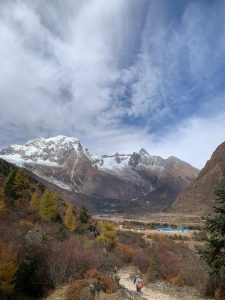
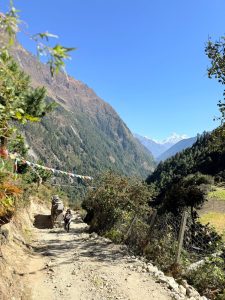
Manaslu Tsum Valley Trek: Explore the Forbidden Valley with Extreme Adventure

  • 19 Days
  • Minimum 2 trekkers
  • Moderate to Challenging
  • Spring (March–May) and Autumn (September–November)
  • 19

Manaslu Tsum Valley Highlights

  • Explore the remote and culturally preserved Tsum Valley
  • Cross the dramatic Larkya La Pass (5,106 m)
  • Visit ancient monasteries including Mu Gompa and Rachen Gompa
  • Trek through authentic Himalayan villages and alpine landscapes
  • Experience traditional Tibetan Buddhist culture and heritage
  • Follow one of Nepal’s least crowded trekking routes
  • Enjoy panoramic views of Manaslu, Himalchuli, and surrounding peaks
  • Fully supported logistics, permits, and safety management

Overview of Manasalu Tsum Valley

The Manaslu Tsum Valley Trek is one of Nepal’s most remarkable remote trekking experiences, combining the classic Manaslu Circuit with the culturally preserved Tsum Valley — a sacred Himalayan region known for ancient monasteries, Tibetan Buddhist heritage, and dramatic alpine landscapes.

Located in the northern Gorkha district near the Tibetan border, this trek offers an authentic alternative to busier trekking routes. The journey passes through lush river valleys, traditional stone villages, dense forests, and high mountain terrain before crossing the spectacular Larkya La Pass (5,106 m) — the highest point of the expedition.

As a restricted area trek, the Manaslu and Tsum Valley region maintains a unique sense of isolation and cultural preservation. Trekkers experience genuine Himalayan hospitality, visit centuries-old monasteries such as Mu Gompa and Rachen Gompa, and witness daily life in communities that remain deeply connected to Tibetan Buddhist traditions.

At Raftrek Nepal, our approach focuses on safe logistics, experienced local guides, and carefully planned acclimatization to ensure a rewarding and responsible trekking experience in one of Nepal’s most remote mountain regions.

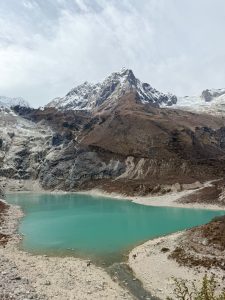
Detailed Itinerary — Manaslu Tsum Valley Trek (19 Days)

Day 1 — Arrival in Kathmandu (1,400 m)

Preparation and Orientation

Your journey begins in Kathmandu, the gateway to Nepal’s Himalayan regions. Upon arrival at the airport, our team welcomes you and transfers you to your hotel. After checking in, there is time to rest, recover from travel, and organize your gear.

Later in the day, we conduct a comprehensive trek briefing covering the route, safety procedures, altitude awareness, and equipment checks. This preparation is important for a smooth start to the trek. Many travelers take a short walk in the evening to explore nearby streets, temples, and local markets, gradually adjusting to the environment and climate.

Driving Time / Walking Time: 30–45 minutes airport transfer
Accommodation: Hotel
Meals: Not included

Day 2 — Drive from Kathmandu to Machha Khola (930 m)

Transition from City to Mountain Valley

Today’s drive gradually leaves the Kathmandu Valley and enters rural Nepal. The road follows rivers, terraced hillsides, and traditional settlements. As the journey progresses, the landscape becomes increasingly mountainous, and traffic gives way to quieter villages and forested terrain.

The final section of the drive enters the Budhi Gandaki River valley — the natural corridor that leads into the Manaslu region. Machha Khola is a small riverside settlement where trekkers gather before beginning the walking portion of the expedition.

Driving Time: 8–9 hours
Accommodation: Teahouse / Lodge
Meals: Breakfast, Lunch, Dinner

Day 3 — Trek from Machha Khola to Jagat (1,340 m)

Following the Budhi Gandaki River

The first trekking day begins with a steady walk along the Budhi Gandaki River. The trail passes through subtropical forest, rocky paths, and several suspension bridges that connect small settlements along the valley.

This stage is designed to help trekkers ease into the rhythm of walking in mountain terrain. The elevation gain is gradual, allowing the body to adapt naturally. Along the way, you will see farmers working fields, porters transporting supplies, and children walking to school — everyday scenes that reflect the character of life in rural Nepal.

Jagat is a well-established village and an official entry checkpoint into the Manaslu Conservation Area.

Walking Time: 6–7 hours
Approximate Distance: 14–15 km
Accommodation: Teahouse
Meals: Breakfast, Lunch, Dinner

Day 4 — Trek from Jagat to Lokpa (2,240 m)

Entering the Tsum Valley Region

Today the route climbs steadily through forested hillsides and stone villages. The trail gradually becomes quieter as trekkers leave the busier lower valley behind. At a junction along the trail, the route branches toward the remote Tsum Valley — a culturally distinct region known for its preserved traditions and spiritual heritage.

The environment becomes more peaceful and remote, with fewer settlements and broader mountain views. By the time you reach Lokpa, the sense of entering a secluded Himalayan valley becomes very clear.

Walking Time: 6–7 hours
Approximate Distance: 13–14 km
Accommodation: Teahouse
Meals: Breakfast, Lunch, Dinner

Day 5 — Trek from Lokpa to Chumling (2,386 m)

Gradual Ascent into the Upper Valley

Today’s walk follows a gradual climb through open landscapes and traditional villages. The terrain becomes slightly drier and more rugged as elevation increases. Prayer flags and monasteries become more visible, reflecting the spiritual traditions of the region.

You may notice subtle changes in architecture, clothing, and daily activities, influenced by Tibetan culture and high-altitude living.

Reaching Chhokang Paro marks an important transition into higher terrain, where temperatures become cooler and the mountain environment more pronounced.

Walking Time: 5–6 hours
Approximate Distance: 12 km
Accommodation: Teahouse
Meals: Breakfast, Lunch, Dinner

Day 6 — Trek from Chumling to Chhokang Paro (3,010 m)

Today’s walk is steady and scenic. The trail passes through traditional settlements where prayer flags flutter in the wind and stone walls line the fields.

You may notice changes in architecture and culture, reflecting the strong Tibetan Buddhist influence in this region. The pace remains moderate, allowing time to observe daily life — farmers working in fields, children walking to school, and monks traveling between monasteries.

Arriving at Chhokang Paro, you begin to feel the altitude more clearly, and the mountain environment becomes more pronounced.

Walking Time: 5–6 hours
Accommodation: Teahouse
Meals: Breakfast, Lunch, Dinner

Day 7 — Trek from Chhokang Paro to Nile (3,361 m)

Approaching the Upper Valley

The trail continues deeper into the valley, with the landscape gradually becoming more alpine. Vegetation becomes sparse, and the air feels cooler and thinner.

Along the route, trekkers may encounter yak caravans transporting goods between villages — an essential part of local transportation in remote mountain regions. The surroundings feel quieter and more expansive as the valley opens into high-altitude terrain.

Nile is one of the highest permanent settlements in the Tsum Valley and an important stop before exploring nearby monasteries.

Walking Time: 5–6 hours
Approximate Distance: 11 km
Accommodation: Teahouse
Meals: Breakfast, Lunch, Dinner

Day 8 — Excursion to Mu Gompa (3,700 m) and Return to Nile

Cultural Exploration and Acclimatization

This day is dedicated to exploration rather than distance. A steady hike leads to Mu Gompa, one of the most significant monasteries in the region. The monastery sits in a dramatic location surrounded by mountains and open sky.

Visitors often spend time observing the peaceful surroundings, interacting with monks, or simply resting and enjoying the views. The slower pace of the day also supports acclimatization — an essential step before continuing to higher elevations.

Walking Time: 4–5 hours
Approximate Distance: 7 km round trip
Accommodation: Teahouse
Meals: Breakfast, Lunch, Dinner

Day 9 — Trek from Nile to Chumling

Descending Through the Valley

The return journey follows the same valley route, offering new perspectives on familiar landscapes. Descending gradually, breathing becomes easier, and the body often feels stronger after several days of trekking.

This stage allows trekkers to move at a relaxed pace while preparing to rejoin the main Manaslu Circuit route.

Walking Time: 6–7 hours
Approximate Distance: 14 km
Accommodation: Teahouse
Meals: Breakfast, Lunch, Dinner

Day 10 — Trek from Chumling to Deng (1,860 m)

Rejoining the Main Manaslu Trail

Today’s route reconnects with the primary Manaslu Circuit trail. The terrain includes forested paths, suspension bridges, and gradual climbs along the river valley.

This stage marks the transition from the cultural exploration of the Tsum Valley back into the broader mountain journey toward the high Himalayan pass.

Walking Time: 6–7 hours
Approximate Distance: 14–15 km
Accommodation: Teahouse
Meals: Breakfast, Lunch, Dinner

Day 11 — Trek from Deng to Namrung (2,630 m)

Entering the High Mountain Zone

The trail climbs steadily through forested hills and small settlements. The temperature becomes cooler, and mountain views become more prominent. Stone houses and traditional architecture characterize the villages along the route.

Namrung is a scenic settlement surrounded by mountain ridges and serves as an important staging point before entering higher altitude terrain.

Walking Time: 6–7 hours
Approximate Distance: 19 km
Accommodation: Teahouse
Meals: Breakfast, Lunch, Dinner

Day 12 — Trek from Namrung to Samagaun (3,530 m)

Expanding Mountain Views

Today offers some of the most dramatic scenery of the trek. The valley widens, and snow-covered peaks become more visible. The landscape shifts from forest to alpine terrain, with open views and cooler temperatures.

Samagaun is a large mountain village and a critical acclimatization stop before approaching higher elevations.

Walking Time: 6–7 hours
Approximate Distance: 19–20 km
Accommodation: Teahouse
Meals: Breakfast, Lunch, Dinner

Day 13 — Acclimatization Day in Samagaun

Rest and Adjustment

This rest day plays a crucial role in safe trekking at high altitude. Rather than remaining inactive, trekkers typically take short walks around the village or nearby viewpoints.

The objective is to allow the body to adjust gradually while maintaining light physical activity.

Walking Time: 2–3 hours optional hike
Accommodation: Teahouse
Meals: Breakfast, Lunch, Dinner

Day 14 — Trek from Samagaun to Samdo (3,875 m)

Moving into High Alpine Terrain

The trail gradually climbs into a more rugged landscape with fewer trees and wider mountain views. The air feels thinner, and the environment becomes more exposed.

Samdo is a small settlement near the Tibetan border and serves as the final village before the high mountain pass.

Walking Time: 4–5 hours
Approximate Distance: 8 km
Accommodation: Teahouse
Meals: Breakfast, Lunch, Dinner

Day 15 — Trek from Samdo to Dharmashala (4,460 m)

Preparation for the Pass Crossing

This shorter day is intentionally designed to conserve energy before crossing the high mountain pass. The terrain becomes rocky and windswept, and temperatures can drop significantly, especially in the afternoon.

Trekkers usually spend the remainder of the day resting, hydrating, and preparing equipment for the next stage.

Walking Time: 4–5 hours
Approximate Distance: 6 km
Accommodation: Teahouse
Meals: Breakfast, Lunch, Dinner

Day 16 — Cross Larkya La Pass (5,106 m) and Trek to Bimthang (3,720 m)

The Most Challenging and Memorable Day

The day begins early to take advantage of stable morning weather conditions. The ascent to the pass is steady but demanding, requiring patience and consistent pacing.

Reaching the top of Larkya La Pass is a significant milestone. The surrounding mountains and expansive landscape create a strong sense of accomplishment.

The descent to Bimthang leads into a beautiful valley surrounded by peaks and glacial terrain.

Walking Time: 8–9 hours
Approximate Distance: 18 km
Accommodation: Teahouse
Meals: Breakfast, Lunch, Dinner

Day 17 — Trek from Bimthang to Dharapani (1,960 m)

Descending Through Forested Valleys and Rejoining the Annapurna Trail

After the demanding crossing of Larkya La Pass, today’s trek feels noticeably easier as the trail gradually descends into greener terrain. The morning often begins with clear mountain views, with the surrounding peaks slowly giving way to dense pine and rhododendron forests. The change in vegetation is immediate and refreshing after several days in the high alpine environment.

The route passes through Yak Kharka and the beautiful meadow of Bhimthang before entering forested trails that follow the Dudh Khola River. Suspension bridges, cascading waterfalls, and traditional villages mark the path as the trek approaches Dharapani — an important junction where the Manaslu route connects with the Annapurna trekking region.

This is typically one of the longer walking days, but the descent and improved oxygen levels make the journey manageable and enjoyable.

Walking Time: 7–8 hours
Approximate Distance: 20–22 km
Elevation Loss: ~1,700 m
Accommodation: Teahouse / Lodge
Meals: Breakfast, Lunch, Dinner

Day 18 — Drive from Dharapani to Kathmandu (1,400 m)

Return Journey Through Hills and River Valleys

Today marks the transition from mountain trekking back to urban life. After breakfast, the journey begins with a vehicle drive along mountain roads that wind through terraced farmland, river valleys, and rural settlements.

The route gradually descends toward the lower hills and eventually reconnects with the main highway leading back to Kathmandu. Along the way, travelers often reflect on the journey — from remote Himalayan villages and monasteries to high mountain passes and cultural encounters.

Weather and road conditions can influence travel time, particularly during monsoon or winter seasons, so flexibility is always important.

Driving Time: 8–9 hours
Road Type: Mixed mountain road and paved highway
Accommodation: Hotel
Meals: Breakfast

Day 19 — Final Departure from Kathmandu

End of Trek and Transfer to Airport

After breakfast, our team arranges transportation to the airport according to your flight schedule. This final day allows time to organize luggage, rest, and prepare for onward travel.

For travelers with later departures, there may be time to explore local markets, purchase souvenirs, or revisit cultural sites in the city. Many trekkers choose to extend their stay in Nepal for additional activities such as cultural tours, rafting, or short hikes.

This day formally concludes the Manaslu Tsum Valley trekking experience.

Driving Time: 30–45 minutes airport transfer
Accommodation: Not included
Meals: Breakfast

What's Included?

  • Conservation and National Park Entry Permit
  • TIMS (Trekking Information Management System) Card
  • Vehicle transport
  • Domestic flight
  • Pokhara sightseeing
  • Professional trekking guide and porter (1 porter per 2 guests)
  • Accommodation in tea houses/lodges during the trek
  • 3 meals per day (breakfast, lunch, dinner)
  • First aid kit
  • Government taxes
  • WiFi, hot showers available in lodges
  • Farewell dinner after the trip

What’s Excluded?

  • Kathmandu sightseeing expenses (can be arranged)
  • Travel & medical insurance
  • Emergency evacuation costs
  • Personal expenses (beverages, donations, tips)
  • Additional costs due to bad weather/unforeseen delays
  • International flight tickets.

Best Time to Trek — Seasonal Guide

Best Seasons for Trekking

Plan your journey with the right season for the best Himalayan experience.

? Spring (March – May)

  • Stable weather
  • Blooming rhododendron forests
  • Moderate temperatures
  • Clear mountain views

? Autumn (September – November)

  • Best visibility
  • Dry weather
  • Comfortable trekking conditions
  • Most popular trekking season

❄️ Winter (December – February)

  • Cold temperatures
  • Snow at higher elevations
  • Fewer trekkers

?️ Monsoon (June – August)

  • Heavy rainfall
  • Slippery trails
  • Limited mountain visibility

Best Time to Go

Spring and autumn remain the most reliable seasons for this trek.

Altitude Table — Manaslu Tsum Valley Trek

Day Location Altitude (m) Notes
1 Kathmandu 1,400 Arrival and preparation
2 Machha Khola 930 Drive from Kathmandu
3 Jagat 1,340 Entry checkpoint village
4 Lokpa 2,240 Entrance to Tsum Valley
5 Chumling 2,386 Traditional valley settlement
6 Chhokang Paro 3,010 Gradual altitude gain
7 Nile 3,361 Upper valley settlement
8 Mu Gompa 3,700 Cultural exploration
9 Chumling 2,386 Return through valley
10 Deng 1,860 Rejoin Manaslu trail
11 Namrung 2,630 Enter high mountain zone
12 Samagaun 3,530 Major acclimatization point
13 Samagaun 3,530 Acclimatization day
14 Samdo 3,875 High alpine village
15 Dharmashala 4,460 Pre-pass preparation
16 Larkya La Pass 5,106 Highest point
16 Bimthang 3,720 Post-pass descent
17 Dharapani 1,960 Lower valley
18 Kathmandu 1,400 Return drive

Daily Walking Distance and Duration Table

Day / Route Distance Duration
Machha Khola → Jagat 14 km 6–7 hrs
Jagat → Lokpa 13 km 6–7 hrs
Lokpa → Chumling 10 km 5–6 hrs
Chumling → Chhokang Paro 12 km 5–6 hrs
Chhokang Paro → Nile 11 km 5–6 hrs
Nile → Mu Gompa 7 km 4–5 hrs
Chumling → Deng 14 km 6–7 hrs
Deng → Namrung 15 km 6–7 hrs
Namrung → Samagaun 17 km 6–7 hrs
Samagaun → Samdo 8 km 4–5 hrs
Samdo → Dharmashala 6 km 4–5 hrs
Dharmashala → Bimthang 18 km 8–9 hrs
Bimthang → Dharapani 16 km 6–7 hrs

Elevation Profile — Trekking Progression Overview

Altitude Progression – Manaslu Tsum Valley Trek

A carefully designed ascent profile to support safe acclimatization and reduce altitude risks.

? Start Elevation

1,400 m — Kathmandu

? First Major Gain

3,010 m — Chhokang Paro

? Acclimatization Zone

3,530 m — Samagaun

⛰️ High Altitude Prep

4,460 m — Dharmashala

?️ Highest Point

5,106 m — Larkya La Pass

⬇️ Final Descent

1,960 m — Dharapani

Safe Acclimatization Strategy

This structured ascent significantly reduces the risk of altitude-related illness and allows trekkers to adapt safely to high mountain conditions.

Permit Requirements — Manaslu Tsum Valley Trek

Permits & Regulations

This is a restricted trekking region in Nepal and requires specific government permits.

? Required Permits

  • Manaslu Restricted Area Permit
  • Tsum Valley Restricted Area Permit
  • Manaslu Conservation Area Permit
  • Annapurna Conservation Area Permit

⚖️ Important Regulations

  • Minimum of two trekkers required
  • Licensed guide mandatory
  • Permit verification checkpoints
  • All permits arranged before trek begins

All permits are carefully arranged in advance to ensure a smooth and compliant trekking experience.

Safety and Risk Management Practices

Safety measures implemented during the trek include:

  • Gradual altitude progression
  • Scheduled acclimatization days
  • Daily health monitoring
  • Weather condition assessment
  • Emergency evacuation coordination
  • Certified trekking guides
  • First aid and medical kits

Emergency response readiness is essential in remote regions like the Manaslu and Tsum Valley.

Internet, Charging, and Connectivity

Wi-Fi availability:

  • Available in most villages
  • Speed varies depending on location

Mobile network:

  • Limited coverage at higher altitudes

Charging facilities:

  • Available in teahouses
  • Additional fee may apply

Trekkers should be prepared for occasional connectivity limitations.

Physical Fitness and Preparation Guidance

The Manaslu Tsum Valley Trek does not require technical climbing skills, but it does demand consistent physical effort over multiple days at altitude.

Recommended preparation:

  • Cardiovascular training
  • Hiking with a backpack
  • Stair climbing
  • Long-distance walking
  • Strength training for legs and core

Ideal preparation timeline:

  • 8 to 10 weeks before the trek

Suitable participants typically:

  • Can walk 5–7 hours per day
  • Maintain steady pacing
  • Adapt to changing terrain

Previous trekking experience is helpful but not mandatory.

Accommodation Overview

Accommodation during the trek is provided in traditional mountain teahouses.

Typical facilities include:

  • Twin-sharing rooms
  • Simple bedding
  • Shared bathrooms
  • Dining hall with heating stove

In remote villages, facilities are basic but clean and welcoming.

Electricity and hot showers may be available for an additional fee.

Frequently Asked Questions